5 Common Myths About Timber Frame Construction Debunked


Introduction to Timber Frame Construction
Timber frame construction has been a popular building technique for centuries, known for its durability and aesthetic appeal. However, despite its long history, several myths persist about this method. In this post, we’ll debunk five common myths and provide clarity on the benefits of timber frame construction.
Myth 1: Timber Frame Homes Aren’t Durable
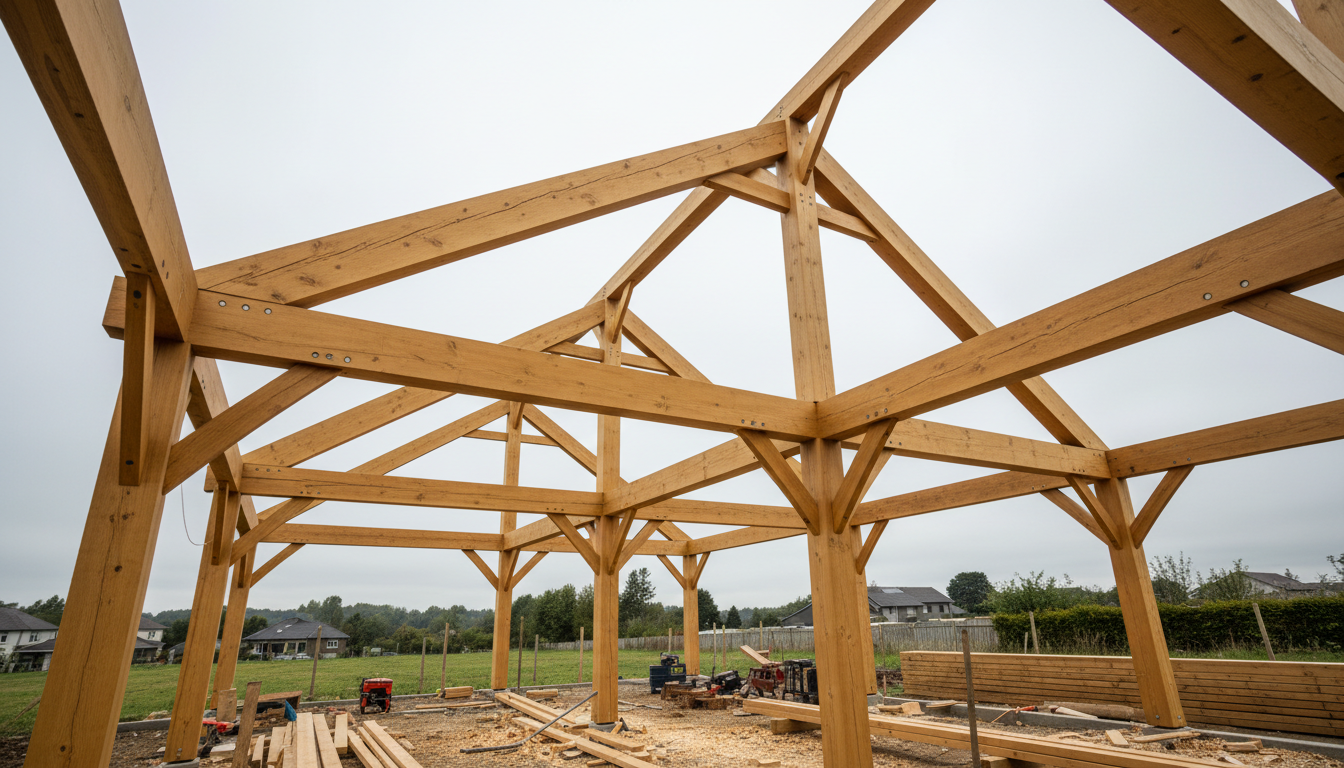
A common misconception is that timber frame homes lack durability compared to other construction methods. In reality, timber frames are incredibly strong and long-lasting. The interconnected beams provide a robust structure capable of withstanding various weather conditions.
Many historic timber frame buildings have stood for hundreds of years, proving their resilience and durability. With modern treatments and maintenance, these homes are built to last even longer.
Myth 2: Timber Frame Construction Is Expensive
Another myth is that timber frame construction is prohibitively costly. While the initial costs can be higher due to the quality of materials and craftsmanship, timber frame homes often offer better value in the long run. They are energy-efficient, reducing heating and cooling costs over time.
Additionally, the speed of construction can lower labor costs, as the frames are often prefabricated and assembled quickly on-site.

Myth 3: Timber Frame Homes Aren’t Energy Efficient
Some believe that timber frame homes do not provide sufficient insulation. However, these homes are highly energy-efficient. The design allows for ample insulation within the walls, reducing heat loss and improving overall energy efficiency.
Moreover, the thermal mass of the timber helps to regulate indoor temperatures, making timber frame homes comfortable year-round.
Myth 4: Timber Frame Construction Is Not Eco-Friendly
Contrary to this belief, timber frame construction is one of the most environmentally friendly building methods. Timber is a renewable resource, and sustainable forestry practices ensure that the impact on the environment is minimized.
Using timber reduces the carbon footprint of a building, as trees absorb carbon dioxide during their growth. Furthermore, the energy required to produce timber is lower compared to other building materials.
Myth 5: Timber Frame Designs Are Limited
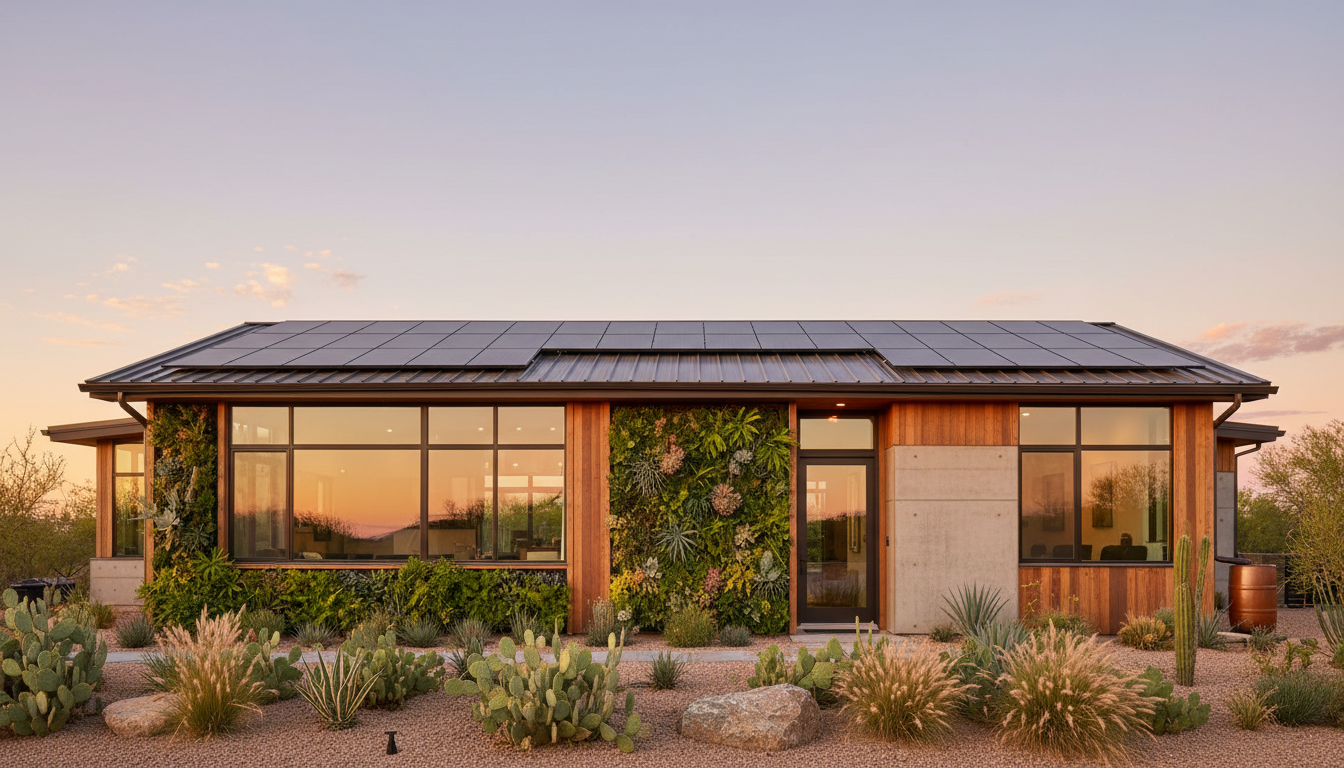
There's a notion that timber frame homes are limited in design and style. In fact, timber frame construction offers a wide range of architectural possibilities. From traditional to modern designs, the flexibility of timber allows for creative and customized home layouts.
The open floor plans typical of timber frame homes provide a spacious feel and can be adapted to suit individual preferences.
Conclusion
Timber frame construction is a versatile, durable, and eco-friendly building method that offers both aesthetic and practical benefits. By debunking these myths, we hope to shed light on the true potential of timber frame homes and encourage more people to consider this sustainable approach to building.