Common Misconceptions About Timber Frame Construction


Understanding Timber Frame Construction
Timber frame construction has been around for centuries, yet it remains shrouded in misconceptions. As a sustainable and versatile building method, it's essential to dispel these myths and understand its true potential. In this post, we'll explore some of the most common misconceptions about timber frame construction and reveal the facts behind them.
Myth 1: Timber Frames Are Weak
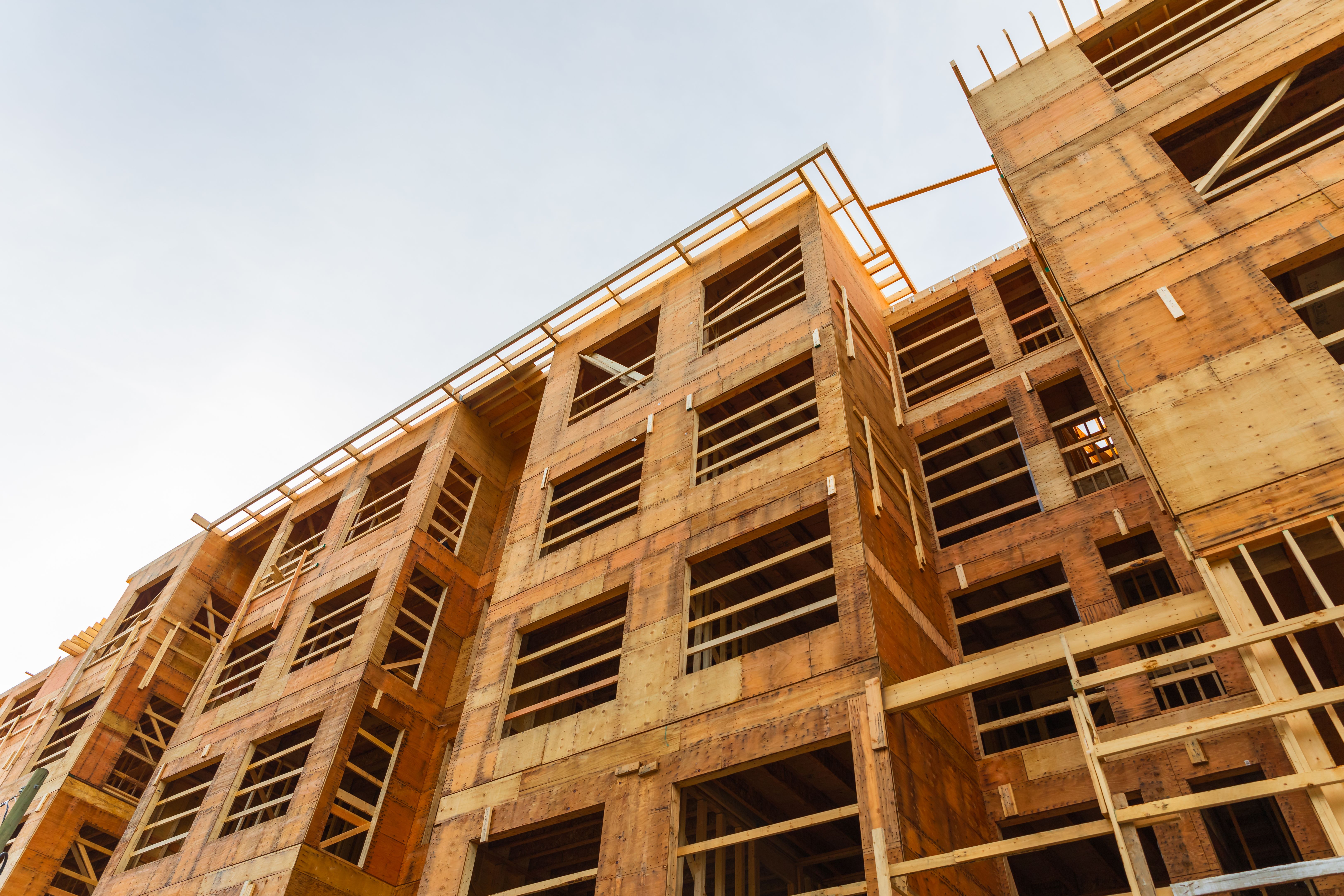
One of the most pervasive myths is that timber frames are not strong enough for modern buildings. This couldn't be further from the truth. Timber frame structures are known for their **incredible strength and durability**. The use of high-quality wood and advanced engineering techniques ensures that these structures can withstand various environmental stresses, including earthquakes and heavy snow loads.
Moreover, timber has a unique ability to flex under pressure, which makes it highly resilient. This flexibility allows timber frame buildings to absorb and dissipate energy effectively, adding to their structural integrity.
Myth 2: Timber Frames Are Not Energy Efficient
Another misconception is that timber frame construction leads to poor energy efficiency. In reality, timber is an excellent insulator, and when combined with modern insulation materials, it creates highly energy-efficient homes. The natural thermal properties of wood help maintain a comfortable indoor temperature, reducing the need for excessive heating or cooling.

Timber frame homes often incorporate **advanced insulation techniques**, such as structural insulated panels (SIPs), to further enhance energy efficiency. These techniques can significantly lower energy bills and reduce a building's carbon footprint.
Myth 3: Timber Frame Buildings Are Prone to Fire
Some believe that timber frame buildings are more susceptible to fire than other construction types. In truth, timber performs well in fire situations. Large wooden beams char on the outside but maintain their structural integrity, providing crucial time for evacuation. Additionally, modern fire-retardant treatments can make timber even safer.
Building codes and fire safety regulations ensure that timber frame construction meets strict safety standards. These measures help protect both the structure and its occupants from fire hazards.

Myth 4: Timber Frame Homes Are Expensive
Cost is often a concern for those considering timber frame construction. While the initial costs may be higher than some conventional methods, the long-term savings and benefits often outweigh the initial investment. Timber frames offer **excellent durability, reduced maintenance costs, and increased energy efficiency**, which can lead to significant savings over time.
Additionally, the speed of construction and reduced labor costs associated with timber frames can offset the initial expenses. Many homeowners find that the value and quality of a timber frame home are well worth the cost.
Myth 5: Timber Frame Construction Is Outdated
Some people view timber frame construction as an old-fashioned method, but this couldn't be further from the truth. Modern timber frame construction combines traditional craftsmanship with cutting-edge technology, resulting in a building method that is both timeless and innovative.
Architects and builders continue to explore new designs and techniques, ensuring that timber frame construction remains relevant in today's architectural landscape. Its adaptability and aesthetic appeal make it a popular choice for various styles, from traditional to contemporary.
In conclusion, timber frame construction offers numerous benefits and has evolved significantly over the years. By understanding and addressing these misconceptions, you can make informed decisions about building with timber and appreciate the many advantages it provides.