Common Misconceptions About Timber Frame Construction Debunked


Understanding Timber Frame Construction
Timber frame construction has been around for centuries, yet there are many misconceptions that persist about this building method. These misconceptions can lead to confusion and hesitancy when considering timber frames for new projects. In this post, we'll debunk some of the most common myths and shed light on the true benefits and characteristics of timber frame construction.
Myth 1: Timber Frames Are Not Durable
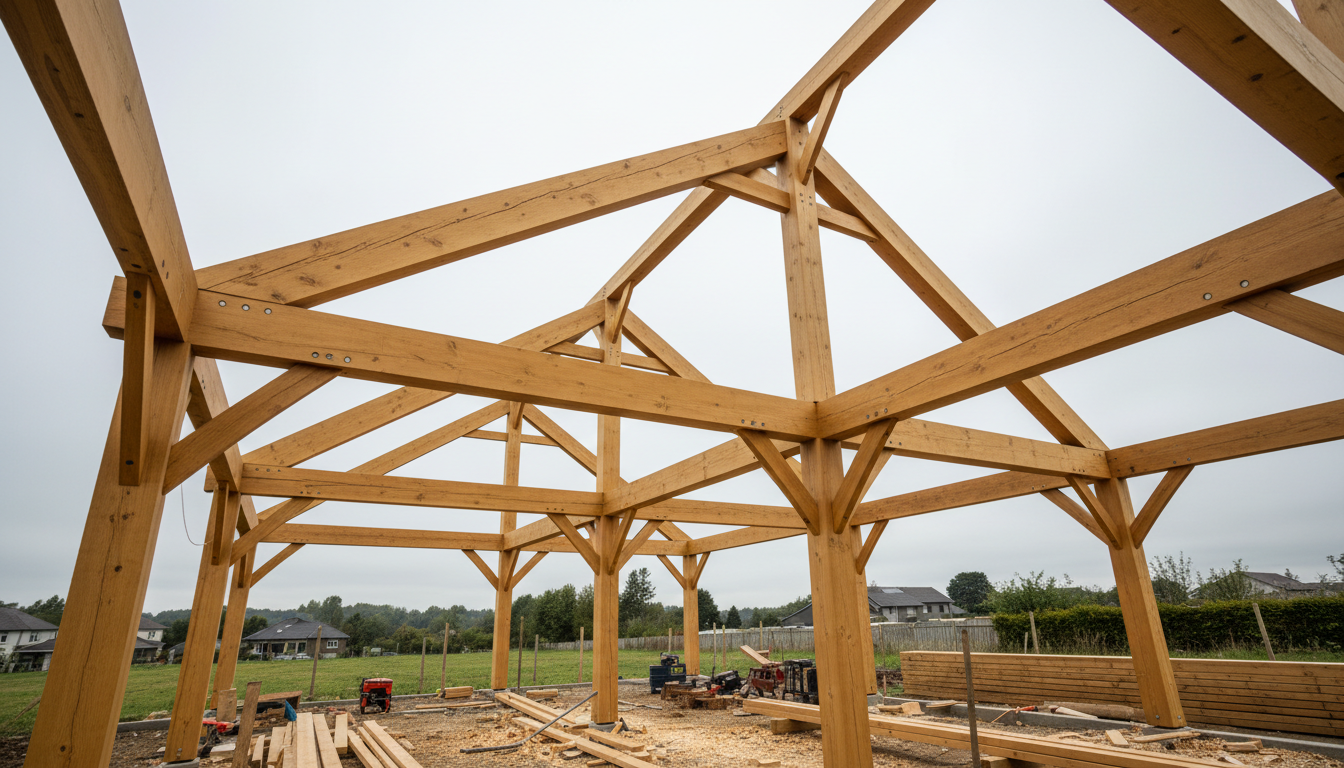
One of the most prevalent misconceptions is that timber frame buildings lack durability. In reality, timber is a remarkably strong and long-lasting material. Many timber frame structures have stood for hundreds of years, withstanding the test of time and weather conditions. Modern treatments and construction techniques further enhance the durability of these structures.
Timber's resilience is evident in its ability to flex under pressure, allowing it to withstand impacts that might crack or damage more rigid materials. This flexibility makes timber frame construction a viable option for areas prone to earthquakes and high winds.
Myth 2: Timber Frames Are Not Energy Efficient
Another common myth is that timber frame houses are not energy efficient. On the contrary, timber frames are known for their excellent insulation properties. The methods used in modern timber frame construction allow for superior thermal performance, reducing the energy needed for heating and cooling.
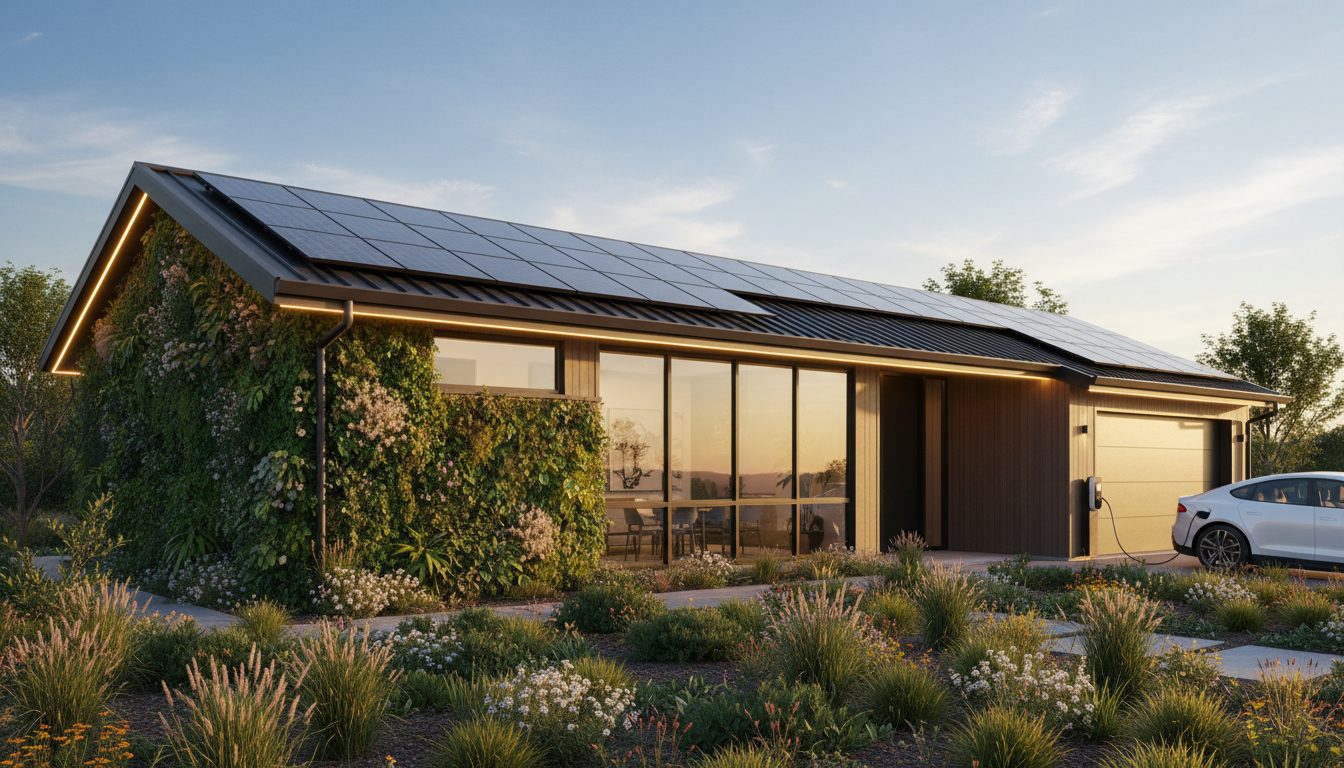
The natural insulating properties of wood, combined with advanced building techniques, can lead to significant energy savings. Properly constructed timber frame homes can achieve high energy efficiency ratings, making them a sustainable choice for eco-conscious homeowners.
Myth 3: Timber Frame Construction Is More Expensive
Many believe that building with timber frames is costlier than other construction methods. While the initial costs can be similar to or slightly higher than conventional builds, the long-term benefits often outweigh these costs. Timber frame construction can lead to savings due to quicker build times and reduced labor costs.
Additionally, the energy efficiency of timber frame homes can result in lower utility bills over time. This makes timber frame construction a cost-effective option in the long run.

Myth 4: Timber Frame Homes Are Not Fire Resistant
It's a common myth that timber frame buildings are particularly vulnerable to fire. However, large timber beams char on the outside when exposed to flames, creating a protective layer that insulates the inner core. This char layer slows down the combustion process, providing better fire resistance compared to some other materials.
Modern fire protection methods further enhance the safety of timber frame buildings, ensuring compliance with strict fire safety standards.
Conclusion: Embracing Timber Frame Construction
Timber frame construction offers numerous benefits, from sustainability and energy efficiency to aesthetic appeal and durability. By debunking these myths, we hope to provide a clearer understanding of this traditional yet innovative building method.
As more people recognize the advantages of timber frame construction, it's likely that this method will continue to grow in popularity, offering a sustainable and efficient alternative for modern building projects.