Common Misconceptions About Timber Frame Constructions Debunked


Understanding Timber Frame Constructions
Timber frame constructions have been around for centuries, yet they continue to face a variety of misconceptions. These myths can deter potential homeowners and builders from considering this efficient and sustainable building method. In this post, we'll clarify some of the most common misunderstandings about timber frame constructions.
Myth 1: Timber Frames Are Not Durable
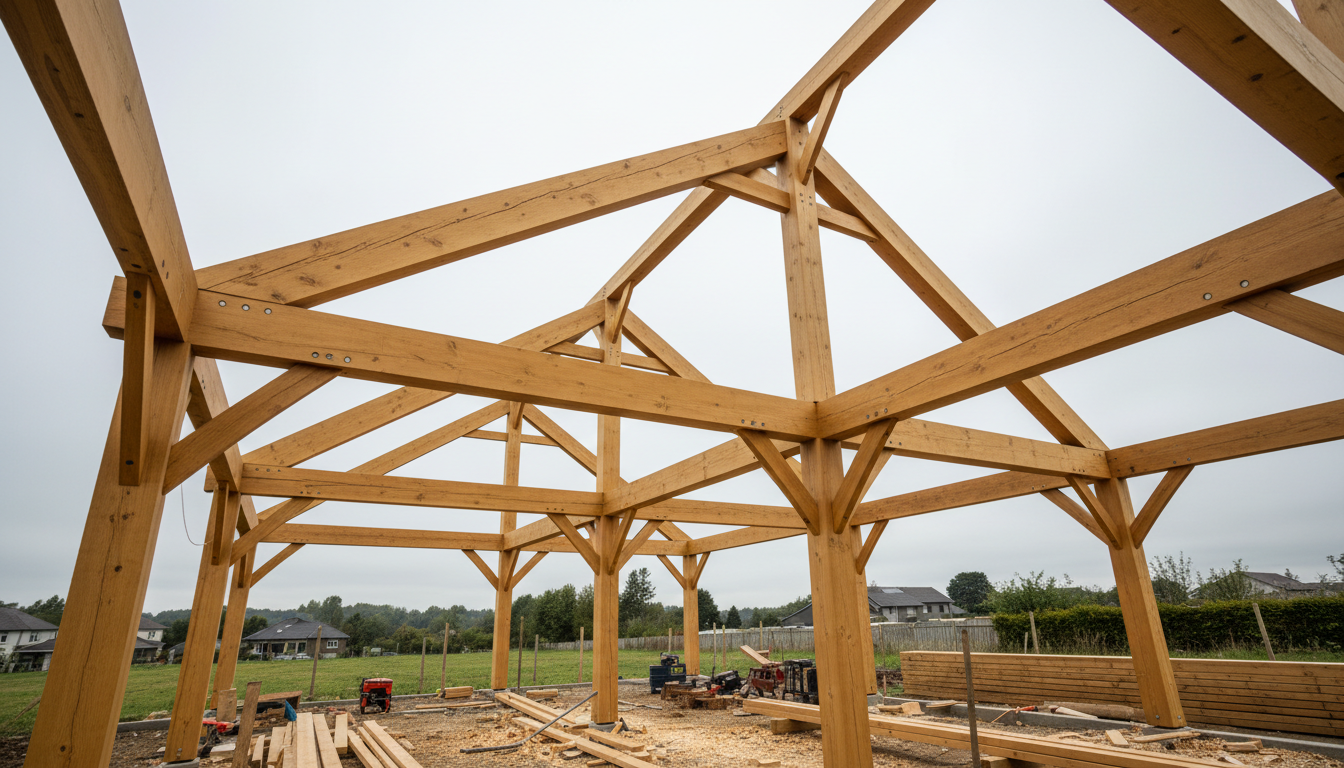
One of the most prevalent misconceptions is that timber frames are not durable. In reality, timber frame homes are known for their longevity. Many timber structures, built hundreds of years ago, are still standing today. The key to their durability lies in the quality of the wood used and the craftsmanship involved in their construction.
Timber frames are often crafted from high-quality, seasoned wood that can withstand various environmental conditions. Additionally, modern treatments and finishes can further enhance the wood's resistance to decay and pests.
Myth 2: Timber Frames Are Not Energy Efficient
Another common myth is that timber frame homes are not energy efficient. In fact, timber frames offer excellent insulation properties. The design of a timber frame allows for large amounts of insulation to be used without compromising structural integrity.
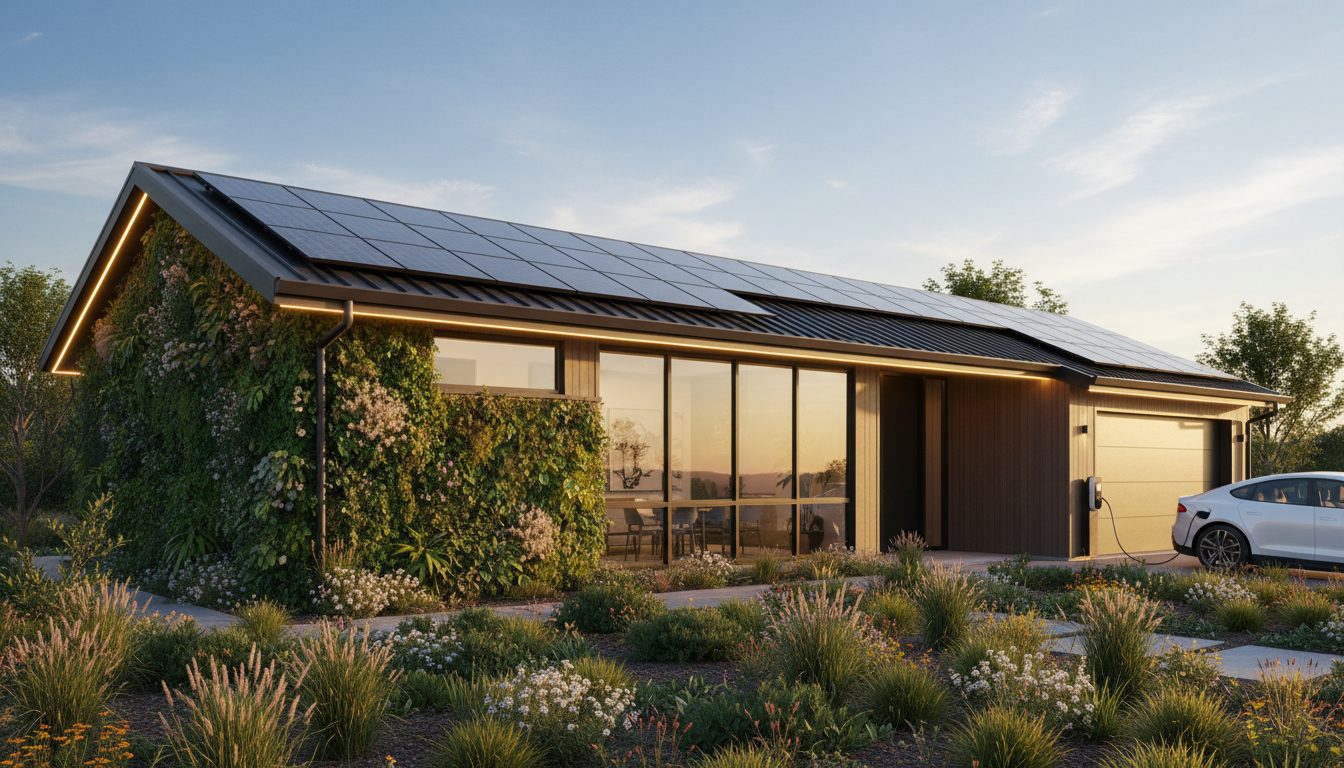
Moreover, timber naturally acts as an insulator, helping to keep homes warm in the winter and cool in the summer. When combined with modern energy-efficient windows and doors, timber frame homes can be exceptionally energy efficient.
Myth 3: Timber Frames Are Not Safe
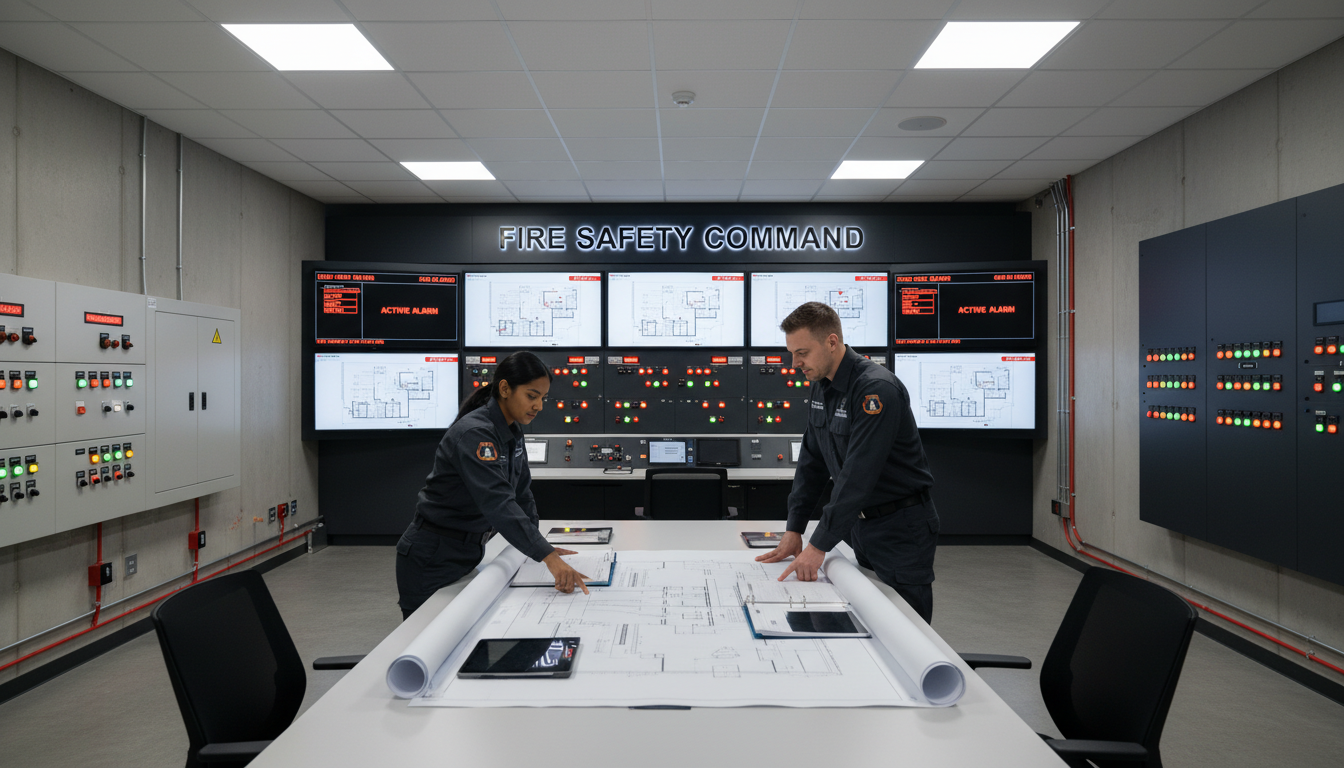
Safety concerns often arise when discussing timber frame constructions, particularly in relation to fire. However, timber frames can be quite safe when properly constructed. Large timber beams char on the outside, forming a protective layer that slows down the burning process, unlike steel, which can buckle and fail at high temperatures.
Additionally, modern fire safety measures and treatments can significantly enhance the fire resistance of timber frame homes.
Myth 4: Timber Frames Are Expensive
Cost considerations are often at the forefront of any construction project, and there is a misconception that timber frame homes are prohibitively expensive. While the initial cost may be slightly higher than conventional building methods, the benefits often outweigh the costs.
- Timber frame homes can be constructed more quickly, reducing labor costs.
- Their energy efficiency leads to lower utility bills over time.
- Their durability means fewer maintenance costs in the long run.
Conclusion
Timber frame constructions are a viable, sustainable, and efficient building method. By debunking these common misconceptions, we hope to shed light on the true potential of timber frames. With their durability, energy efficiency, safety, and cost-effectiveness, timber frames remain a compelling option for modern construction projects.