Common Misconceptions About Timber Frame Extensions Debunked


Understanding Timber Frame Extensions
Timber frame extensions have gained popularity due to their sustainability, aesthetic appeal, and efficiency. However, several misconceptions often deter homeowners from considering this construction method. In this post, we'll debunk some of the most common myths surrounding timber frame extensions.
Myth 1: Timber Frames Are Not Durable
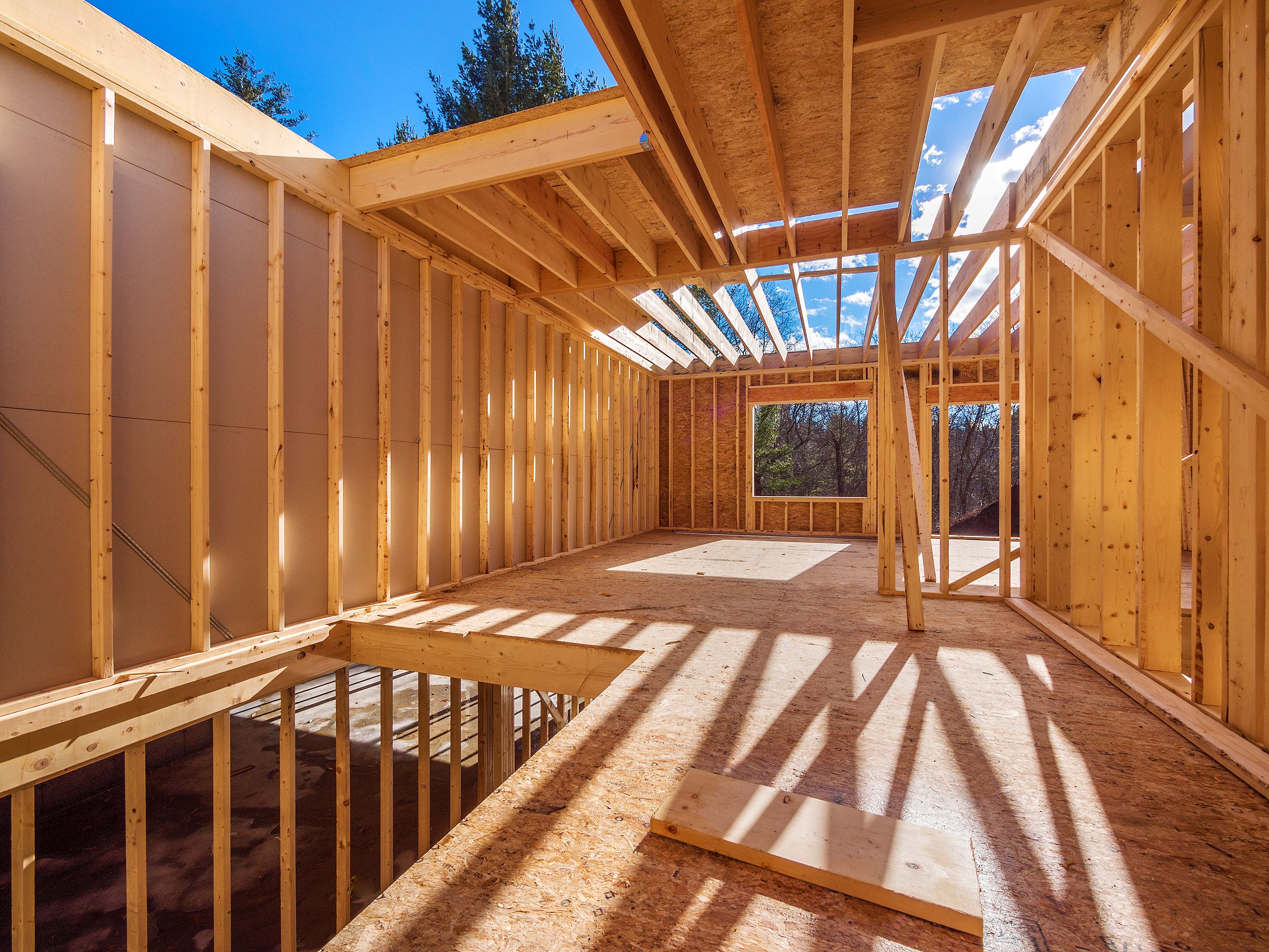
One of the biggest misconceptions is that timber frame structures aren't durable. In reality, timber frames have been used for centuries and many historical buildings constructed with timber still stand today. Modern treatments and technologies have further enhanced the durability, making them a reliable choice for extensions.
Timber is treated to resist rot, insects, and other environmental factors. Properly maintained timber frames can last as long as, if not longer than, traditional brick and mortar structures.
Myth 2: Timber Frames Are Not Energy Efficient
Another common belief is that timber frames are not energy efficient. However, timber has excellent natural insulating properties. When combined with high-performance insulation materials, timber frame extensions can be extremely energy-efficient, keeping your home warm in winter and cool in summer.

Moreover, timber is a sustainable material that reduces the carbon footprint of your construction project. Its natural ability to store carbon makes it an eco-friendly choice.
Myth 3: Timber Frames Are More Expensive
Many assume that timber frame extensions are more costly than traditional builds. While the initial costs may vary, timber frame constructions often save money in the long run. The speed of construction reduces labor costs, and the energy efficiency leads to lower utility bills.
- Quick construction time
- Less waste produced
- Reduced energy costs
Myth 4: Timber Frames Are Not Fire Resistant
Contrary to popular belief, timber frame structures can be designed to be fire-resistant. Timber chars on the outside when exposed to fire, creating a protective layer that insulates the inner core. This quality makes timber frames predictable and stable during fires.
Building regulations and modern fire-retardant treatments ensure that timber frames meet safety standards, providing peace of mind to homeowners.
Myth 5: Timber Frames Limit Design Flexibility
Some people think that timber frames limit architectural design options. On the contrary, timber frames offer a high degree of flexibility, allowing for creative and unique designs. They can be adapted to suit both modern and traditional aesthetics, providing versatility that complements any style.
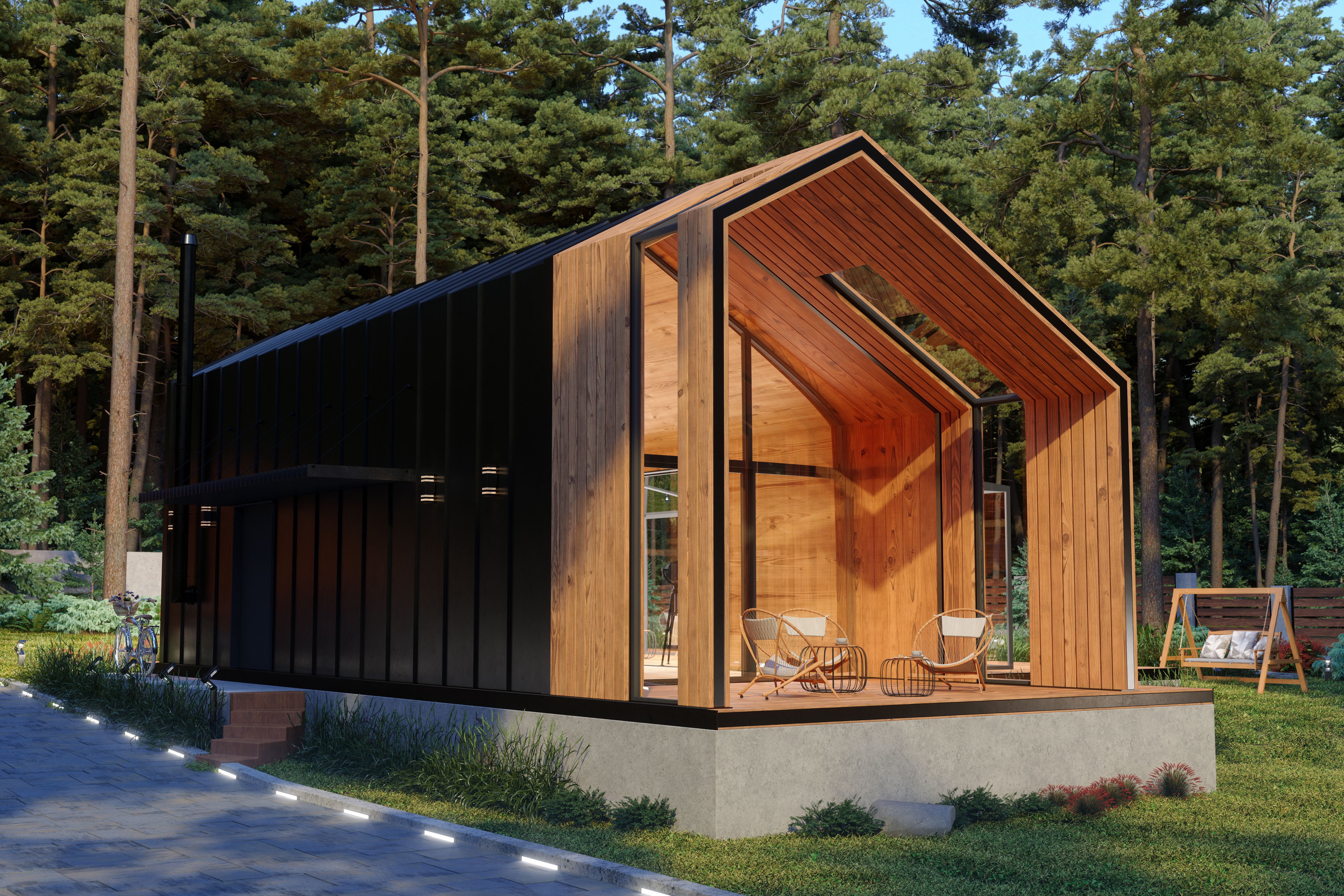
Architects and builders appreciate the adaptability of timber, which can be easily modified or extended in the future, making it an ideal choice for evolving needs.
Conclusion
Timber frame extensions are a viable, sustainable, and efficient option for homeowners looking to expand their living space. By debunking these misconceptions, we hope to encourage more people to consider timber frames for their next project. With their durability, energy efficiency, and design flexibility, timber frames offer a compelling alternative to traditional construction methods.