Comprehensive Guide to Designing and Building Extensions: Key Considerations


Understanding the Purpose of Your Extension
Before diving into the design and construction of an extension, it's crucial to understand the purpose behind it. Are you looking to add more living space, create a home office, or increase your property's value? This initial step helps in defining the scope of your project and setting realistic expectations.
Once the purpose is clear, it’s easier to plan your budget, design, and other essential elements. Knowing what you want from your extension will guide every decision you make throughout the project.
Budgeting and Planning
Setting a budget is a fundamental part of any construction project. Consider all costs, including materials, labor, permits, and unexpected expenses. It's beneficial to allocate around 10-15% of your budget for unforeseen costs to avoid any financial strain.
Planning involves not just the financial aspect but also the timeline. Establish a realistic timeline that accommodates design, approval, and construction phases. This will help keep the project on track and minimize delays.
Design Considerations
Designing an extension requires a balance between aesthetics and functionality. Consider how the new space will integrate with the existing structure and its surroundings. It should complement your home's architectural style while meeting your practical needs.
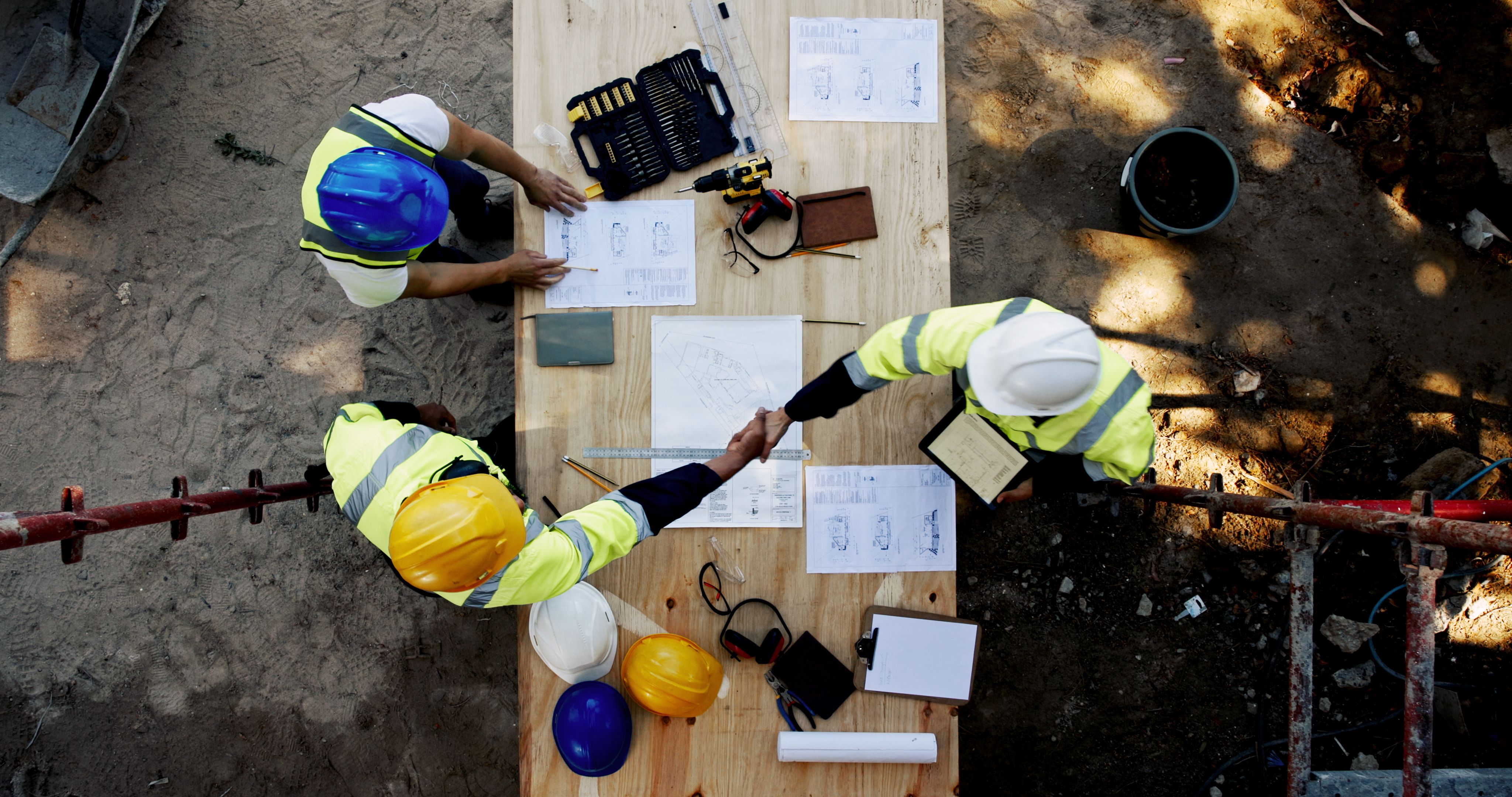
Work with architects or designers to create detailed plans and 3D models. This will provide a visual representation of the final result and allow for any necessary adjustments before construction begins.

Obtaining Necessary Permits
Construction projects often require various permits and approvals from local authorities. Ensure you research the necessary permits for your area, as failing to comply with regulations can lead to significant delays and fines.
It's advisable to work with professionals who are familiar with the local building codes and can assist in the permit application process. This will streamline your project and ensure everything is done legally.
Choosing the Right Materials
The choice of materials significantly impacts the durability and sustainability of your extension. Consider materials that offer energy efficiency, such as insulated windows and eco-friendly roofing. These choices can reduce long-term costs and enhance the comfort of your new space.
Additionally, think about the aesthetics and how materials will match the existing structure. High-quality materials might have a higher upfront cost but can provide better longevity and value.

Hiring the Right Professionals
Engaging skilled professionals is essential to the success of your project. From architects to builders, ensure you hire experienced individuals or companies with a proven track record. Check references and previous work to make informed decisions.
Clear communication with your team is crucial. Regular updates and meetings will help address any issues promptly and keep the project aligned with your vision.
Managing the Construction Phase
Once construction begins, effective management is key. Regularly visit the site to monitor progress and quality. Address any concerns with your contractor immediately to prevent small issues from becoming major problems.
Stay flexible, as unexpected challenges can arise. Being adaptable and open to adjustments will help ensure the successful completion of your extension.

Final Inspections and Finishing Touches
After construction is completed, a final inspection ensures everything meets the required standards and specifications. Address any deficiencies before considering the project finished.
Add the finishing touches to personalize the space, such as paint, fixtures, and furnishings. This stage allows you to make the extension truly feel like part of your home.