Comprehensive Guide to High-Quality New Build Timber Frame Construction


Introduction to Timber Frame Construction
Timber frame construction is a popular choice for new builds due to its sustainability, efficiency, and aesthetic appeal. This method involves using a wooden framework to create the structural support of a building, offering flexibility and durability. In this guide, we'll explore the key aspects of high-quality timber frame construction, ensuring your new build is both sturdy and environmentally friendly.
The Benefits of Timber Frame Construction
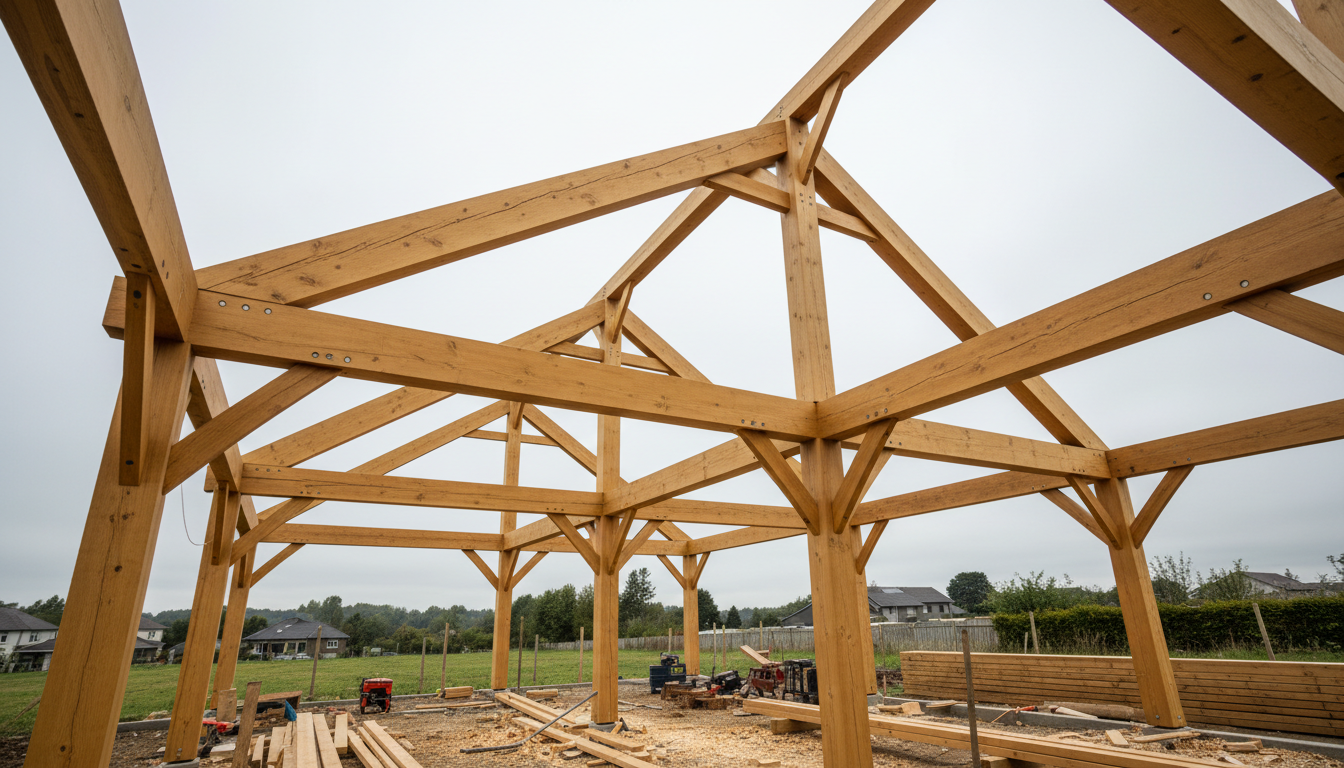
One of the primary advantages of timber frame construction is its sustainability. Timber is a renewable resource, and when sourced responsibly, it minimizes the environmental impact. Additionally, timber frames offer excellent thermal performance, making homes more energy-efficient and reducing utility costs.
Another significant benefit is the speed of construction. Timber frames can be prefabricated offsite, allowing for faster assembly on-site. This efficiency not only saves time but can also reduce labor costs.
Design Flexibility
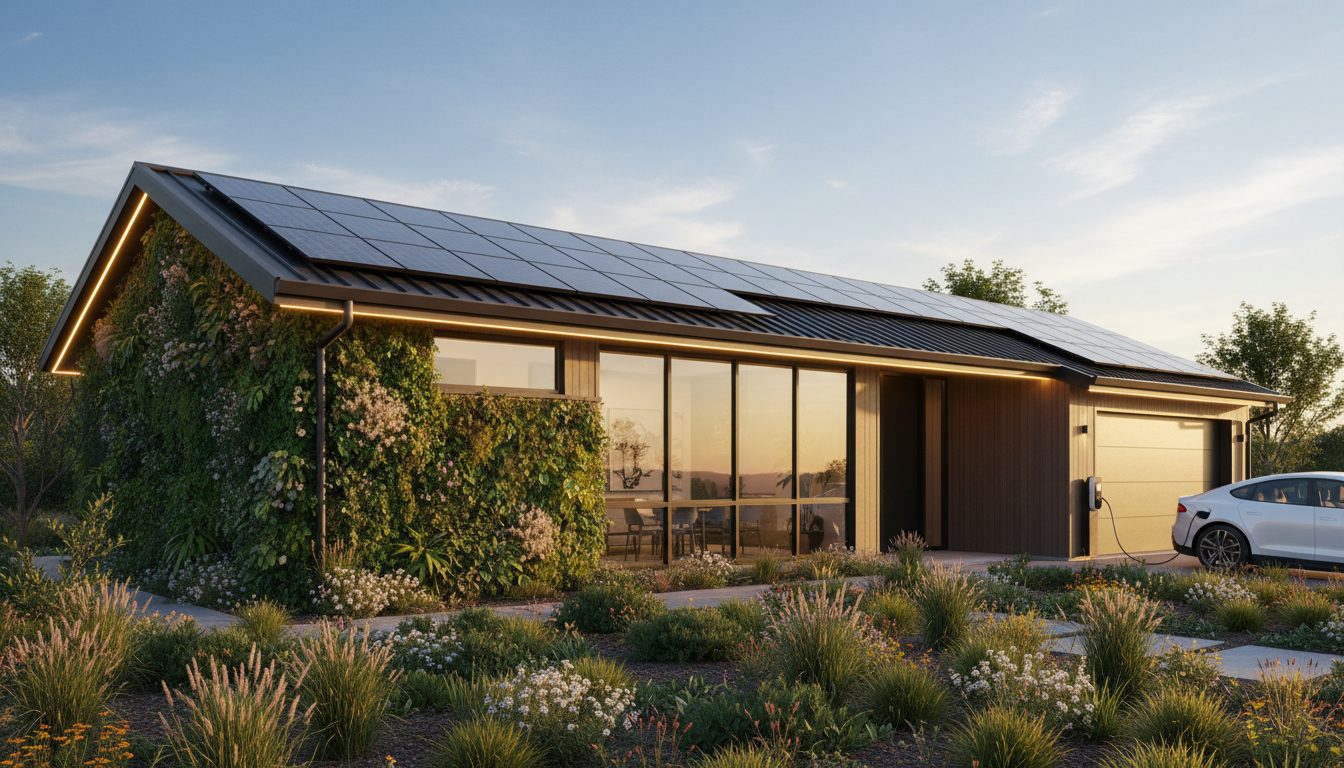
Timber frames provide considerable design flexibility, allowing for open-plan layouts and unique architectural features. The strength of the wood supports wide spans and high ceilings, creating spacious, airy interiors. This flexibility is particularly beneficial for modern, innovative designs.
Key Considerations for High-Quality Builds
When planning a timber frame construction project, choosing the right type of wood is crucial. Opt for high-quality, seasoned timber to ensure durability and stability. Common choices include oak, cedar, and pine, each offering distinct characteristics and benefits.
Insulation and Energy Efficiency
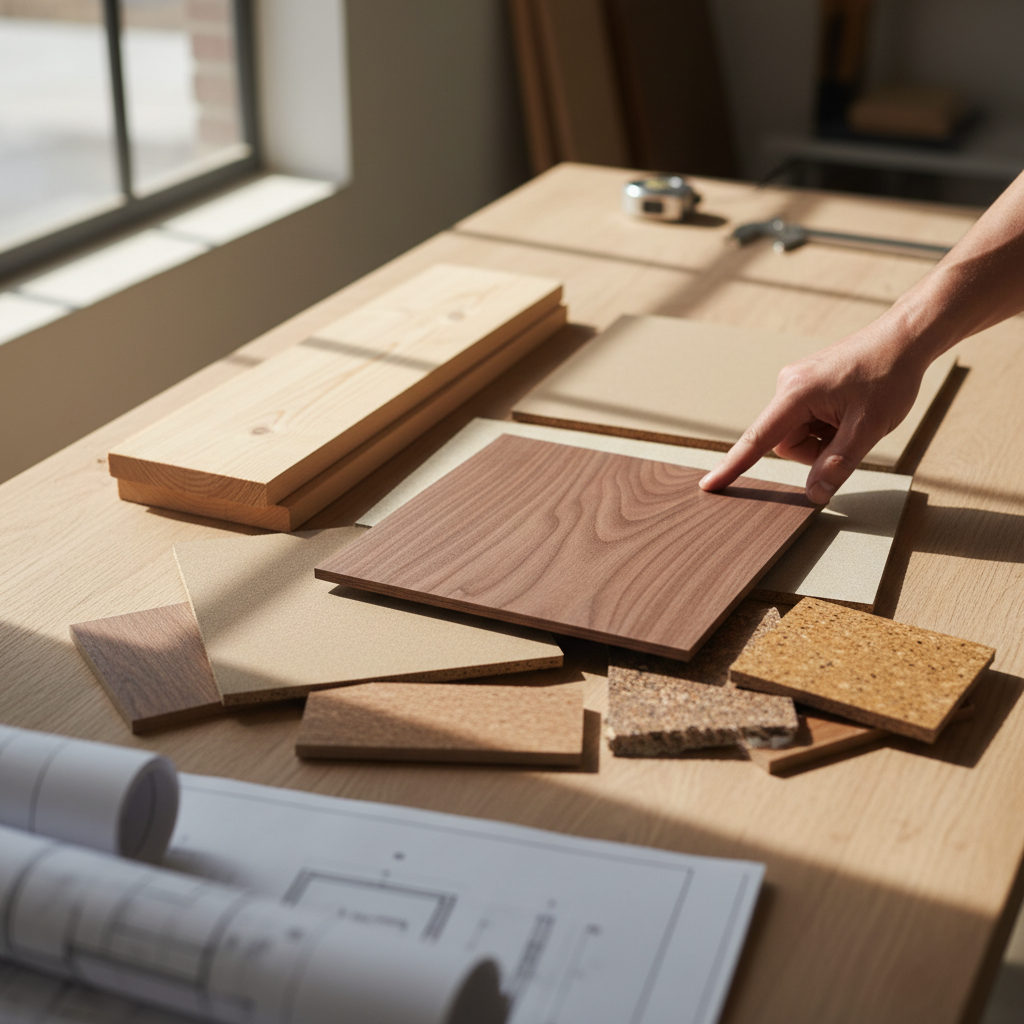
For optimal energy efficiency, proper insulation is essential. Timber frames can accommodate various insulation materials, such as wool, cellulose, or rigid foam. Ensure that your design includes sufficient insulation to enhance thermal performance and reduce energy consumption.
Moisture and Weather Resistance
Protecting your timber frame from moisture is vital to prevent decay and ensure longevity. Implementing weather-resistant barriers and finishes will help maintain the integrity of the structure. Consider using sealants and treatments that repel water and resist rot.
Working with Professionals
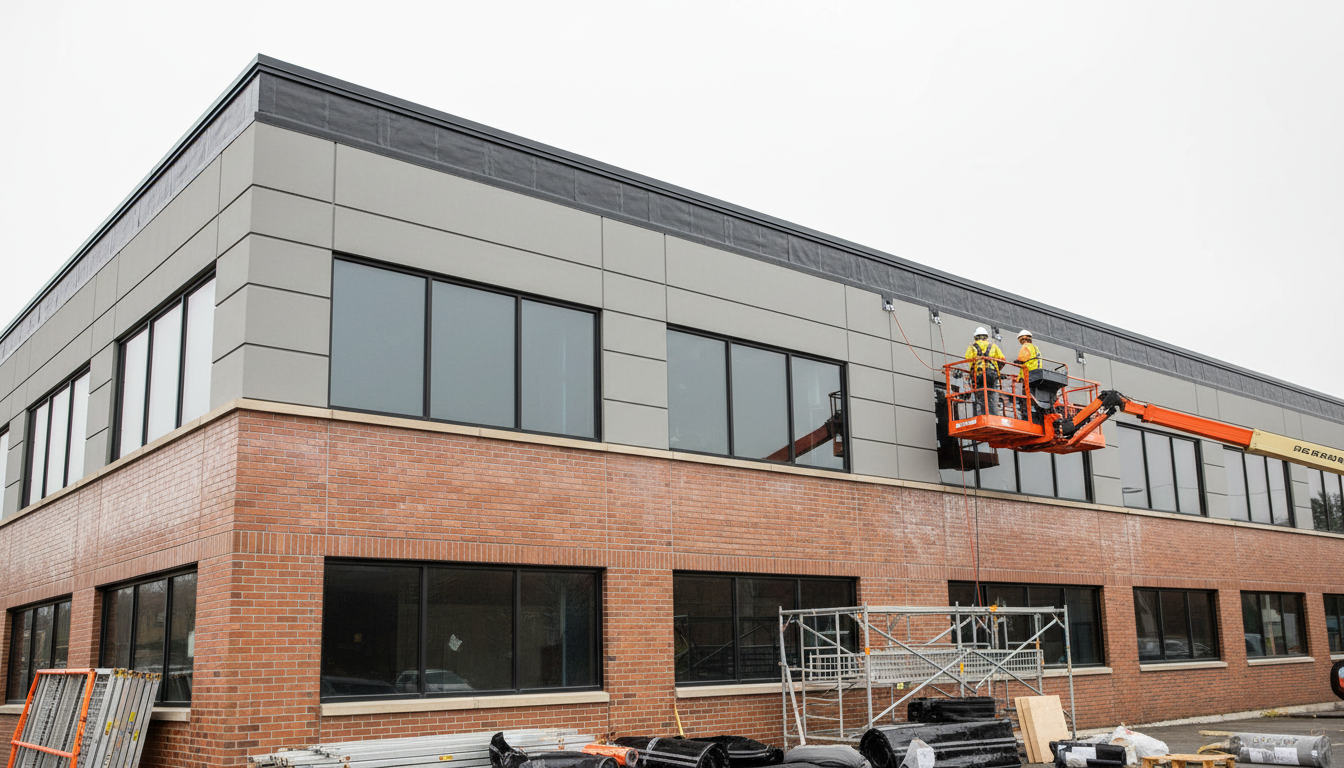
Engaging experienced professionals is crucial in achieving a high-quality timber frame construction. Architects and builders specializing in timber frames will ensure accurate design and precise assembly. Their expertise will help navigate any challenges and ensure compliance with building regulations.
When selecting a contractor, review their portfolio and seek recommendations to ensure they have a proven track record in timber frame construction. A reliable team will guide you through the process, from design to completion, ensuring a successful project.

Conclusion
High-quality timber frame construction offers numerous benefits, from sustainability to design versatility. By paying attention to material selection, insulation, and weatherproofing, and by working with skilled professionals, you can achieve a durable, energy-efficient, and aesthetically pleasing new build. Embrace the advantages of timber frame construction for a home that stands out in both form and function.