Comprehensive Guide to Timber Frame Construction in the UK


Understanding Timber Frame Construction
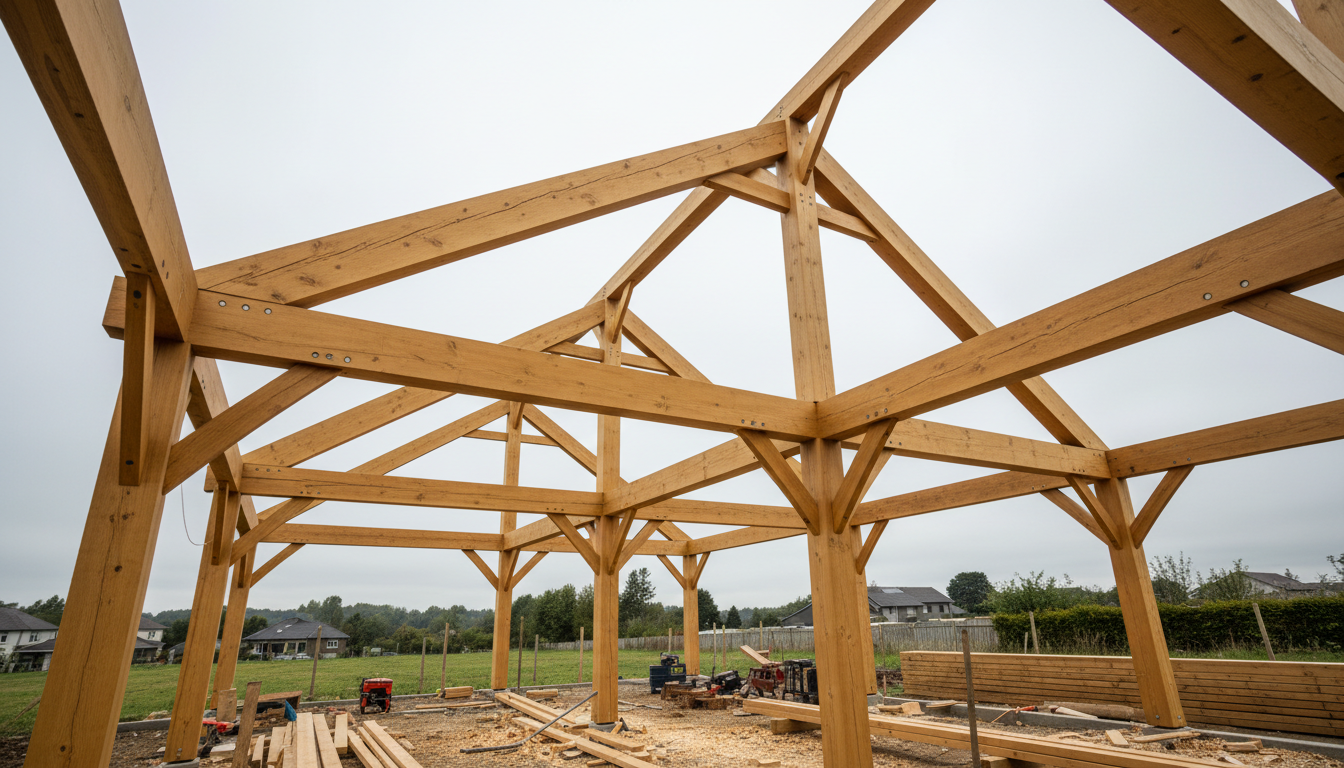
Timber frame construction has been a cornerstone of building practices in the UK for centuries. This method is known for its durability, sustainability, and aesthetic appeal. By using large wooden beams, structures are built to last while offering a unique architectural look that blends seamlessly with both rural and urban landscapes. Timber frames are becoming increasingly popular for residential and commercial projects alike.
Benefits of Timber Frame Construction
One of the primary advantages of timber frame construction is its sustainability. Timber is a renewable resource, and when sourced responsibly, it has a lower environmental impact compared to other building materials. Additionally, timber frames offer excellent thermal efficiency, which can significantly reduce heating and cooling costs for homeowners.
Moreover, timber frame buildings are known for their speed of construction. The prefabrication of timber components allows for quicker assembly on-site, reducing labor costs and project timelines. This efficiency is particularly beneficial in the UK's often unpredictable weather conditions.
Design Flexibility and Aesthetics
Timber frames provide a high degree of design flexibility. Architects and builders can create open-plan spaces with fewer load-bearing walls, allowing for creative layouts and expansive interiors. The natural beauty of exposed timber beams also adds a rustic charm and warmth to any structure, making it a desirable choice for many homeowners.

Key Considerations in Timber Frame Construction
When considering timber frame construction, it's essential to think about the quality of materials used. Selecting the right type of wood and ensuring it is treated to resist pests and decay is critical for the longevity of the structure. It's also important to work with experienced professionals who understand the nuances of timber construction.
Additionally, building regulations in the UK must be adhered to during the planning and construction phases. These regulations ensure that the building is safe, energy-efficient, and environmentally friendly.
Common Applications
Timber frame construction is versatile and can be used in a variety of applications, from residential homes to large commercial buildings. In recent years, there has been a growing trend towards using timber frames in eco-friendly housing projects, as they align with the principles of sustainable living.
Challenges and Solutions
While timber frame construction offers numerous benefits, it does come with some challenges. One of the main concerns is fire safety. However, modern treatments and techniques have significantly improved the fire resistance of timber structures. Additionally, proper maintenance and regular inspections can help prolong the life of the building and prevent issues related to moisture and pests.
Another challenge is the initial cost, which can be higher compared to traditional brick and mortar construction. However, the long-term savings on energy and the speed of construction often offset these initial expenses.
Future of Timber Frame Construction in the UK
The future of timber frame construction in the UK looks promising, with more emphasis being placed on sustainable and eco-friendly building practices. As technology advances, new methods and materials are being developed to enhance the strength and resilience of timber frames, making them an even more attractive option for builders and homeowners alike.
With the increasing demand for sustainable housing solutions, timber frame construction is set to play a significant role in shaping the architectural landscape of the UK.