
How Timber Frame Construction Enhances Energy Efficiency in UK Homes


Understanding Timber Frame Construction
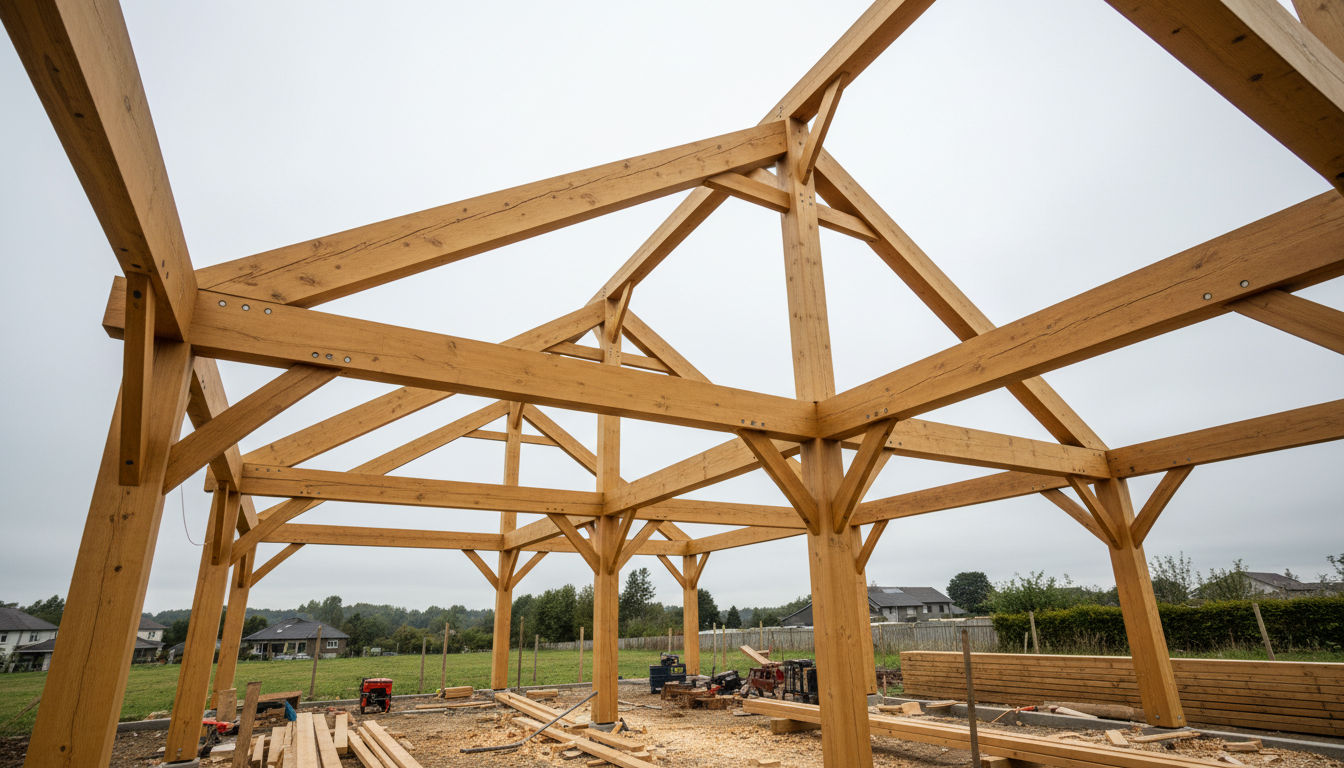
Timber frame construction has been gaining popularity in the UK due to its numerous benefits, particularly in the realm of energy efficiency. This method involves the use of a wooden framework to support the building, offering a strong yet flexible structure that is both sustainable and efficient.
One of the key advantages of timber frame construction is its natural insulating properties. Timber acts as a natural insulator, reducing the need for additional materials to retain heat within the home. This not only helps maintain a comfortable indoor climate but also reduces energy consumption.
Energy Efficiency Benefits
Timber frame homes are designed to offer excellent thermal performance. The structure allows for the integration of high-performance insulation materials, which can significantly reduce heat loss. This is particularly beneficial in the UK's cooler climate, where keeping homes warm is a priority.
The use of timber frames also facilitates airtight construction, which prevents drafts and further enhances energy efficiency. By minimizing air leakage, homeowners can enjoy a consistent indoor temperature without over-relying on heating systems.
Reducing Carbon Footprint
Another noteworthy benefit of timber frame construction is its contribution to reducing the carbon footprint of a building. Timber is a renewable resource, and when sourced responsibly, it can be a more environmentally friendly option compared to other construction materials.
Speed and Flexibility in Construction
Timber frame homes are quicker to build, which can lead to cost savings and reduced energy usage during construction. The prefabricated nature of timber frames means that they can be assembled quickly on-site, often leading to faster project completion times.
This speed and flexibility do not compromise the quality or efficiency of the building. In fact, it often enhances it, as the precision of prefabrication ensures a tighter build, contributing to better energy efficiency.
Long-Term Savings
Investing in a timber frame home can lead to significant long-term savings. The energy efficiency of these homes means that they require less energy to heat and cool, resulting in lower utility bills for homeowners.
Moreover, the durability and resilience of timber frames add to the longevity of the home, reducing the need for frequent repairs and maintenance. This further enhances the cost-effectiveness of choosing this construction method.
Conclusion
Timber frame construction offers a sustainable and energy-efficient solution for building homes in the UK. Its natural insulating properties, combined with modern construction techniques, make it an excellent choice for those looking to reduce their energy consumption and carbon footprint.
As awareness of environmental issues grows, the demand for energy-efficient homes continues to rise. Timber frame construction provides a viable path towards achieving these goals, offering homeowners a comfortable, efficient, and environmentally friendly living space.