How to Choose the Right Extension Design for Your Home


Understanding Your Needs
Choosing the right extension design for your home begins with understanding your specific needs. Are you looking to add more space, improve functionality, or increase property value? Each goal may require a different approach. Start by considering what you hope to achieve with the extension. This clarity will guide your design process and help ensure the final result meets your expectations.
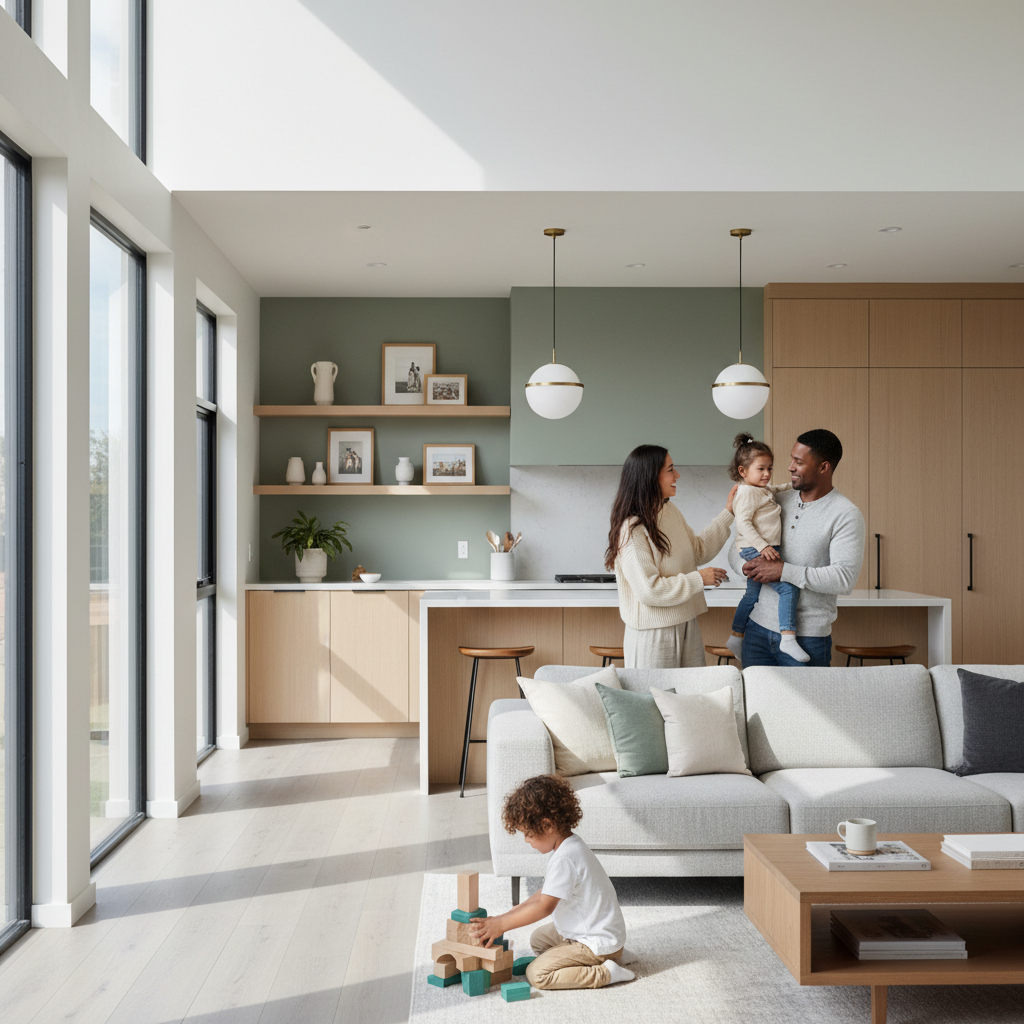
Think about how the extension will be used. Will it be a new kitchen, an extra bedroom, or perhaps a sunroom? Knowing its purpose can influence the design choices and materials. For example, a kitchen extension might prioritize ventilation and natural light, while a bedroom may focus on privacy and comfort.
Budget Considerations
Your budget is a crucial factor in determining the scope and style of your home extension. Establishing a clear budget early on will help you make informed decisions and avoid unexpected expenses. Consider the costs of materials, labor, and any necessary permits or fees. It may be beneficial to consult with a builder or architect to get a realistic estimate of the total cost.
Keep in mind that investing in quality materials and craftsmanship can pay off in the long run. While it might be tempting to cut corners to save money, this can lead to issues down the line that could be more costly to fix.
Matching the Existing Structure
When adding an extension, it's important to ensure that the new addition complements the existing structure. This doesn't mean everything has to match perfectly, but there should be a harmonious blend of styles. Consider the architectural features of your home and how the extension can enhance them.
Think about the materials and colors used in your original home design. Using similar or complementary materials can create a seamless transition between the old and new spaces. This approach not only enhances aesthetics but can also add to the property's value.
Regulatory Compliance
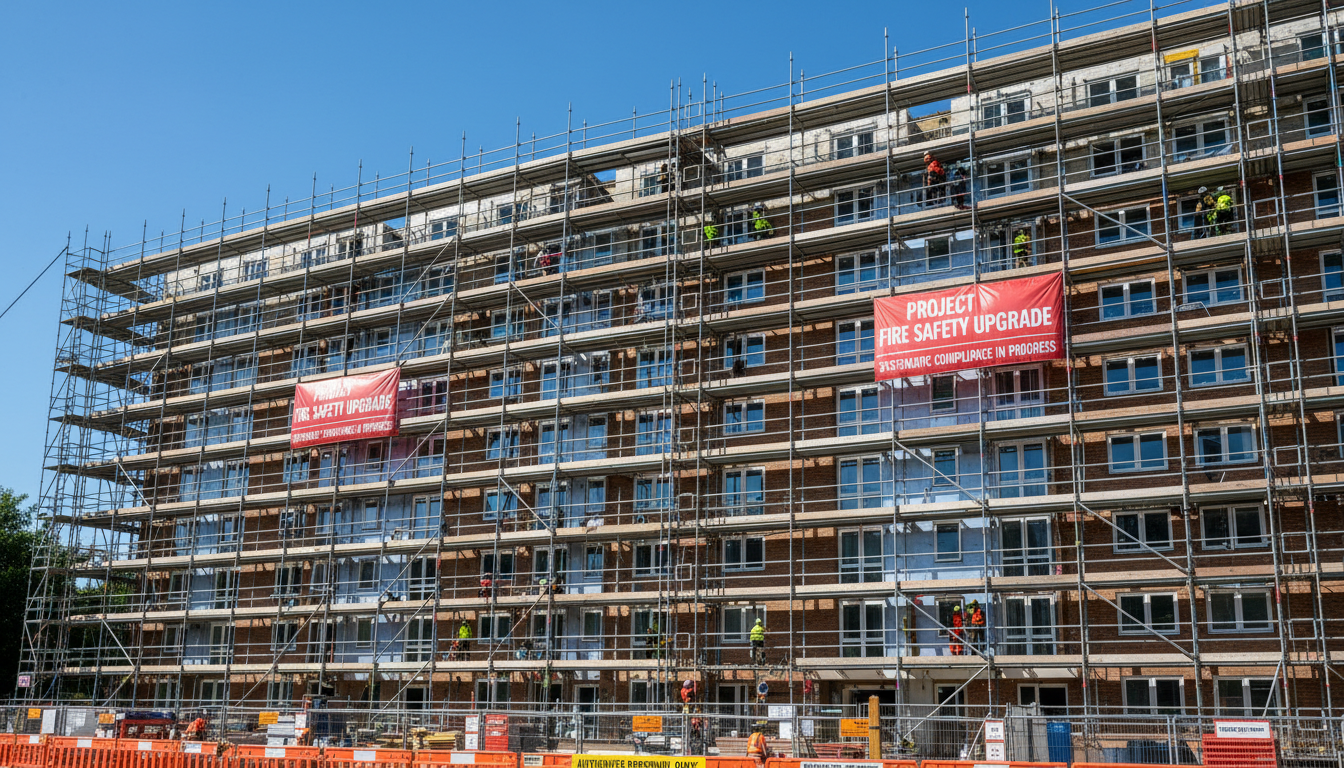
Before starting any extension project, ensure you comply with local building regulations and zoning laws. This can include obtaining necessary permits and adhering to specific design and safety standards. Failing to do so might result in fines or the need to make costly modifications to your plans.
Consult with professionals such as architects or builders who are familiar with local regulations. They can help navigate the legal aspects and ensure that your project is compliant from start to finish.
Choosing the Right Design Professional
Working with the right design professional can make a significant difference in the success of your home extension. Look for architects or designers with experience in residential extensions who can offer creative solutions tailored to your needs.
Check their portfolio and ask for references to get a sense of their previous work and client satisfaction. A good designer will listen to your ideas and collaborate with you to bring your vision to life while staying within budget and regulatory constraints.
Maximizing Natural Light
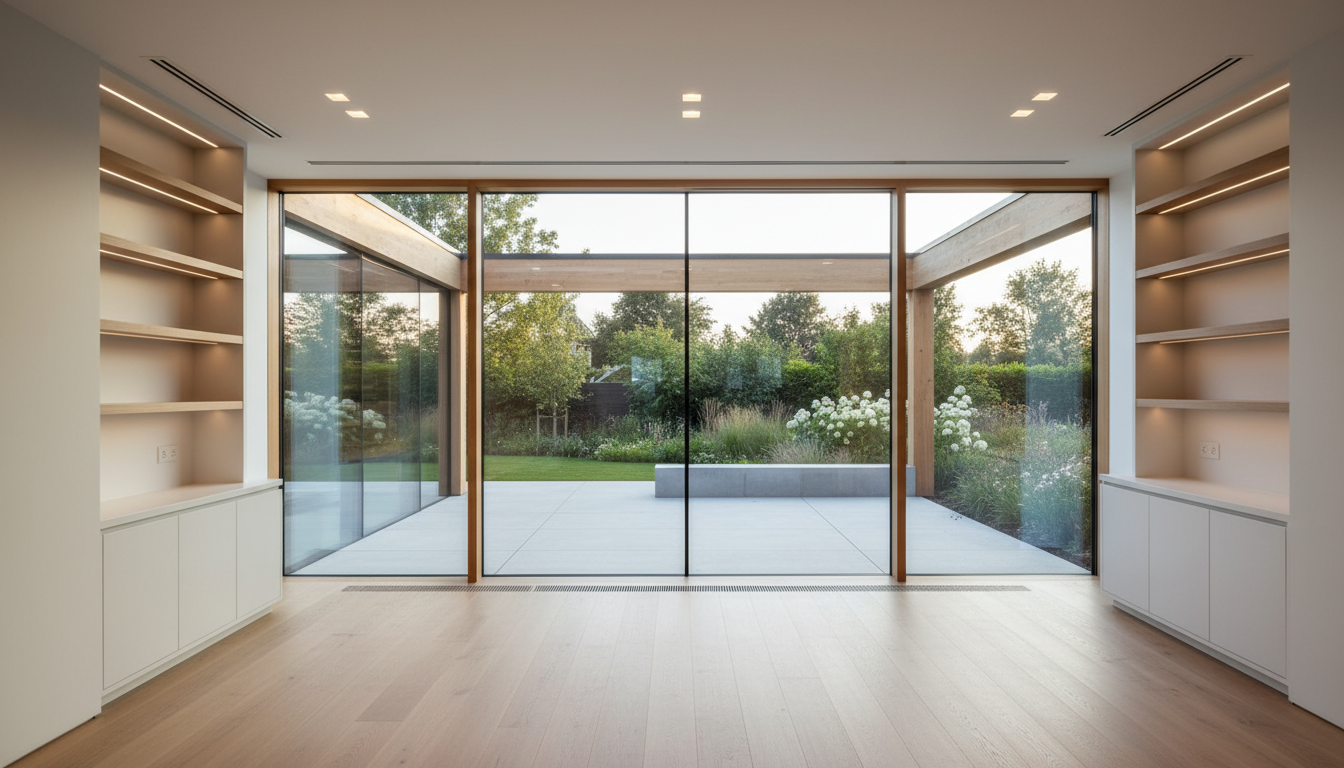
Incorporating natural light into your extension can make the space feel larger and more inviting. Consider adding features such as skylights, large windows, or glass doors to maximize light. This not only enhances the aesthetic appeal but can also improve energy efficiency by reducing the need for artificial lighting during the day.
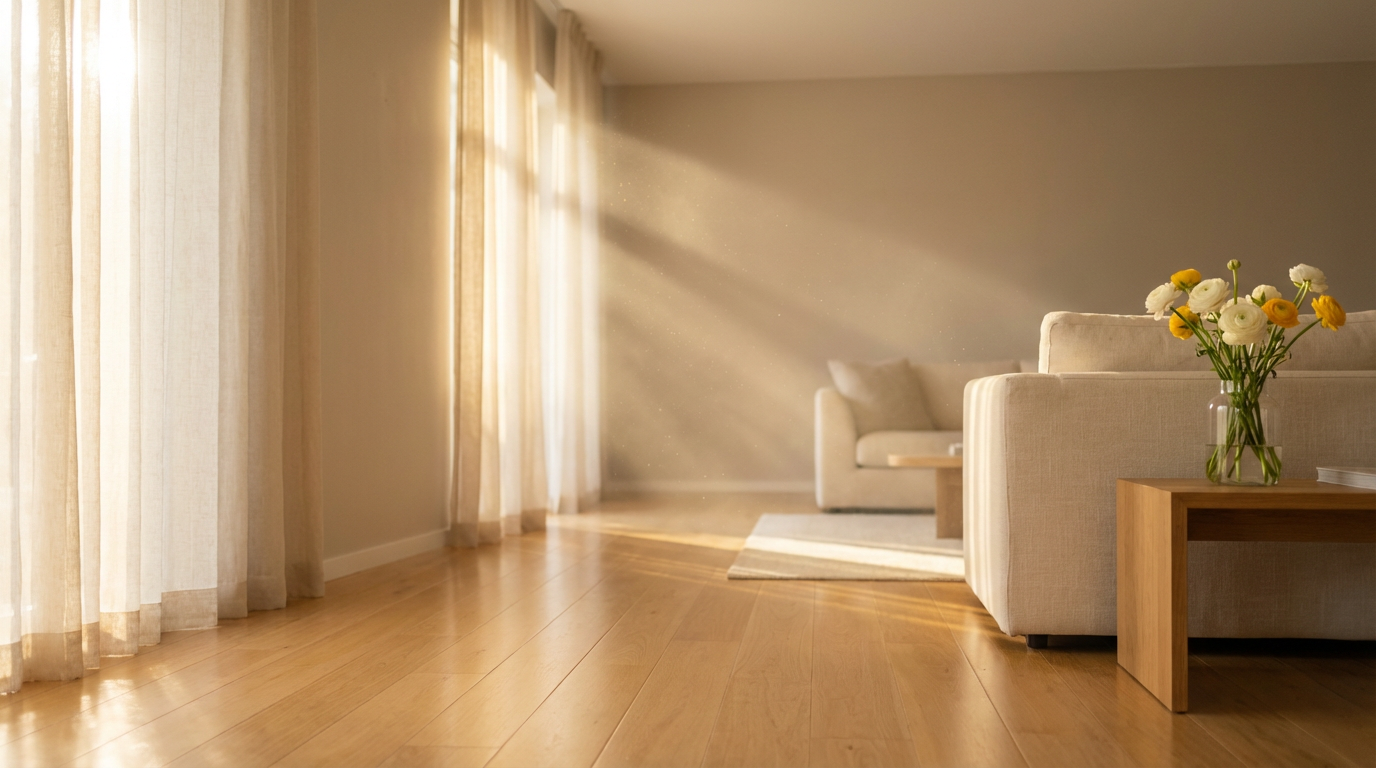
Positioning the extension to take advantage of the sun's path can also contribute to a brighter, more comfortable environment. Think about how different designs will influence light flow and choose accordingly.