How to Choose the Right Timber for Your House Extension


Understanding Timber Types
When considering a house extension, one of the most crucial decisions involves choosing the right timber. Timber not only affects the aesthetic appeal of your extension but also its durability and sustainability. Understanding the different types of timber available can make this choice easier.
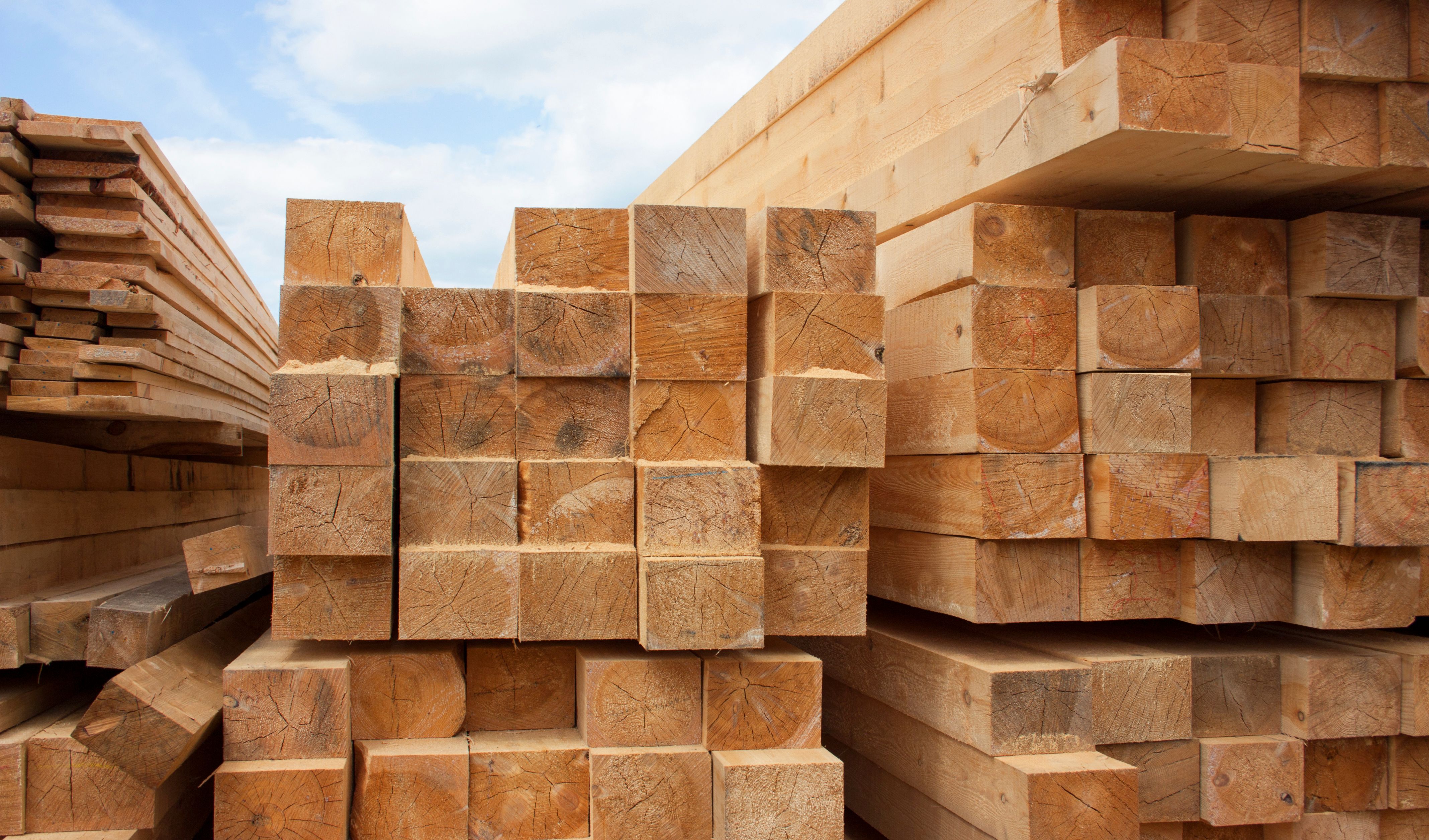
The two primary categories are hardwood and softwood. Hardwoods like oak and mahogany are known for their strength and durability, making them ideal for structural components. Softwoods such as pine and cedar are often used for finishes and decorative elements due to their lighter weight and versatility.
Considerations for Climate
Your local climate plays a significant role in choosing the right timber. Some woods perform better in certain environments. For instance, cedar is naturally resistant to moisture, making it an excellent choice for damp climates. On the other hand, oak is robust against varying temperatures and is suitable for regions with harsh weather conditions.
Additionally, consider timber treatments that can enhance resistance to environmental factors like humidity and pests. Treated timber can prolong the life of your extension.
Assessing Sustainability
Sustainability is becoming a crucial factor in construction and renovation projects. Opting for timber from sustainably managed forests can significantly reduce your environmental footprint. Look for certifications such as the FSC (Forest Stewardship Council) or PEFC (Programme for the Endorsement of Forest Certification) to ensure responsible sourcing.

Budget and Cost-Effectiveness
Budget constraints are always a consideration when planning a house extension. While hardwoods may initially seem expensive, their longevity and durability can offer long-term savings. Softwoods, being more affordable, can be a wise choice for non-structural elements.
Creating a detailed budget that includes potential maintenance costs can help you decide which type of timber offers the best value for your project.
Matching Aesthetics and Style
The aesthetic appeal of your extension should complement your existing home. Consider the color, grain, and finish of the timber. Hardwoods generally offer richer tones and more distinct grains, adding a touch of elegance to any space.
Engaging with Professionals
Consulting with professionals such as architects and builders can provide valuable insights into the most suitable timber for your project. They can offer advice on local availability, installation techniques, and even potential suppliers.
Professional input can also help you avoid common pitfalls and ensure your extension meets both functional and aesthetic goals.
Final Thoughts
Choosing the right timber for your house extension involves balancing factors such as durability, sustainability, budget, and style. By carefully considering these elements and seeking professional advice, you can ensure your extension not only enhances your living space but also stands the test of time.