How to Choose the Right Timber Frame for Your New Build


Understanding Timber Frames
When planning a new build, choosing the right timber frame is crucial. Timber frames offer numerous benefits, including sustainability, energy efficiency, and aesthetic appeal. However, with various options available, it can be challenging to determine which one suits your needs best. Understanding the different types of timber frames and their characteristics will help you make an informed decision.
Types of Timber Frames
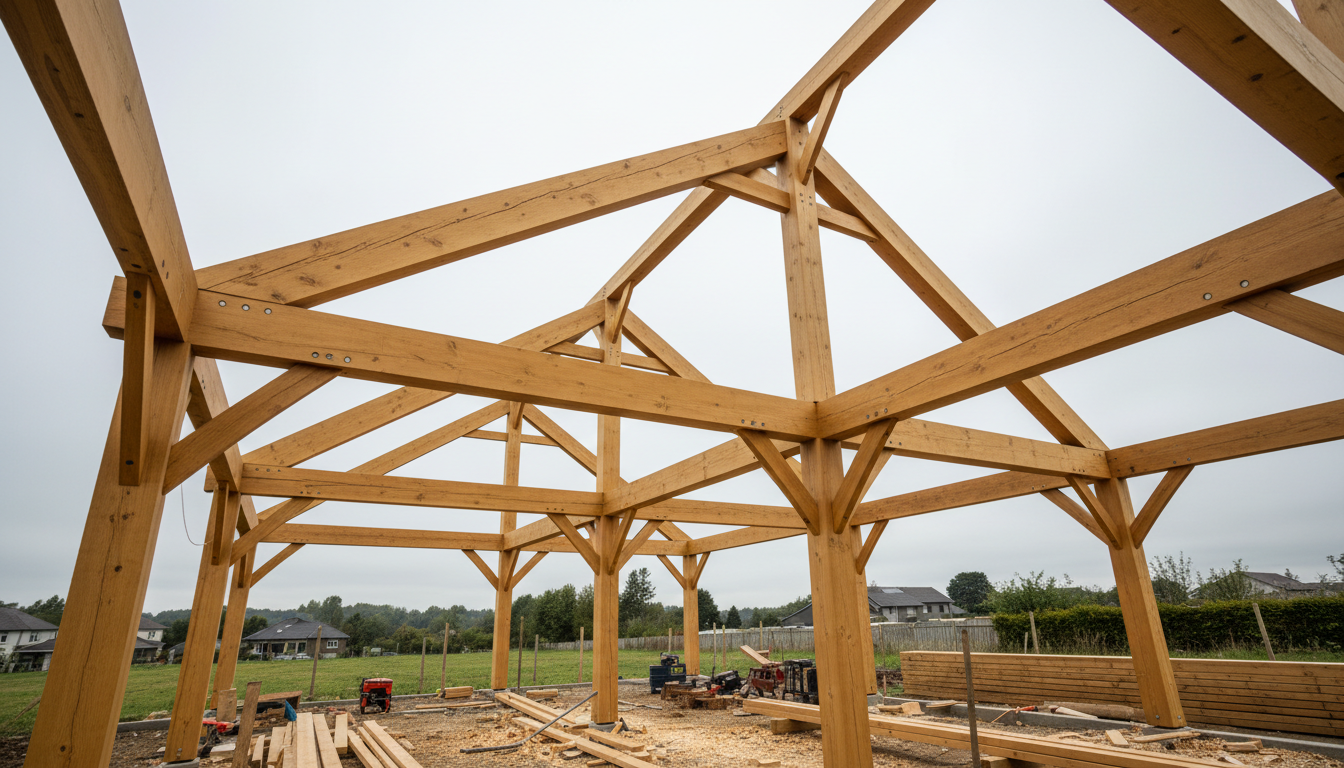
Timber frames come in several types, each with unique features. The most common types include traditional, modern, and hybrid frames. Traditional timber frames are known for their classic appeal and robust construction. Modern frames, on the other hand, offer sleek designs and are often used in contemporary builds. Hybrid frames combine elements from both traditional and modern styles, providing flexibility in design and construction.
Factors to Consider
When choosing a timber frame, consider factors such as budget, environmental impact, and architectural style. Your budget will influence the type and quality of timber you can afford, while the environmental impact involves assessing the sustainability of the timber source. Additionally, the architectural style of your build will determine whether a traditional, modern, or hybrid frame is most appropriate.

Assessing Quality
Quality is a crucial consideration when selecting a timber frame. High-quality timber frames are durable, resistant to pests, and have excellent thermal performance. To assess quality, look for timber that is kiln-dried, as this process enhances its strength and stability. Additionally, ensure the timber is sourced from reputable suppliers who adhere to sustainable forestry practices.
Working with Professionals
Engaging with a professional architect or builder can greatly assist in choosing the right timber frame. Professionals have the expertise to recommend the best options based on your specific needs and preferences. They can also help navigate building regulations and ensure the timber frame meets all necessary standards and codes.

Cost Implications
The cost of timber frames varies significantly depending on factors such as type, size, and quality. While traditional frames might be more expensive due to their craftsmanship, modern frames can also incur high costs if they incorporate innovative designs. It's essential to balance cost with quality to ensure your investment is worthwhile.
Future Maintenance
Consider the maintenance requirements of your chosen timber frame. While timber is a durable material, it requires regular maintenance to prolong its lifespan. This includes treatments to prevent rot and insect damage, as well as periodic inspections to ensure structural integrity. Understanding these requirements helps in planning future maintenance schedules and costs.
Conclusion
Choosing the right timber frame for your new build involves careful consideration of various factors, from the type and quality of timber to cost and maintenance. By understanding your options and working with professionals, you can make a choice that enhances the beauty, sustainability, and functionality of your home. With the right timber frame, you can enjoy a structure that stands the test of time.