
How to Prepare Your Home for a Winter Extension Project


Understanding the Importance of Preparation
Embarking on a winter extension project can transform your home into a cozy haven. However, the colder months come with unique challenges that require careful planning. Proper preparation is essential to ensure that your project runs smoothly, on time, and within budget.
Preparing your home for a winter extension involves more than just choosing the right design. It requires a strategic approach to address potential weather-related hurdles. This guide will walk you through the key steps to ensure your project is a success.
Assessing Your Current Space
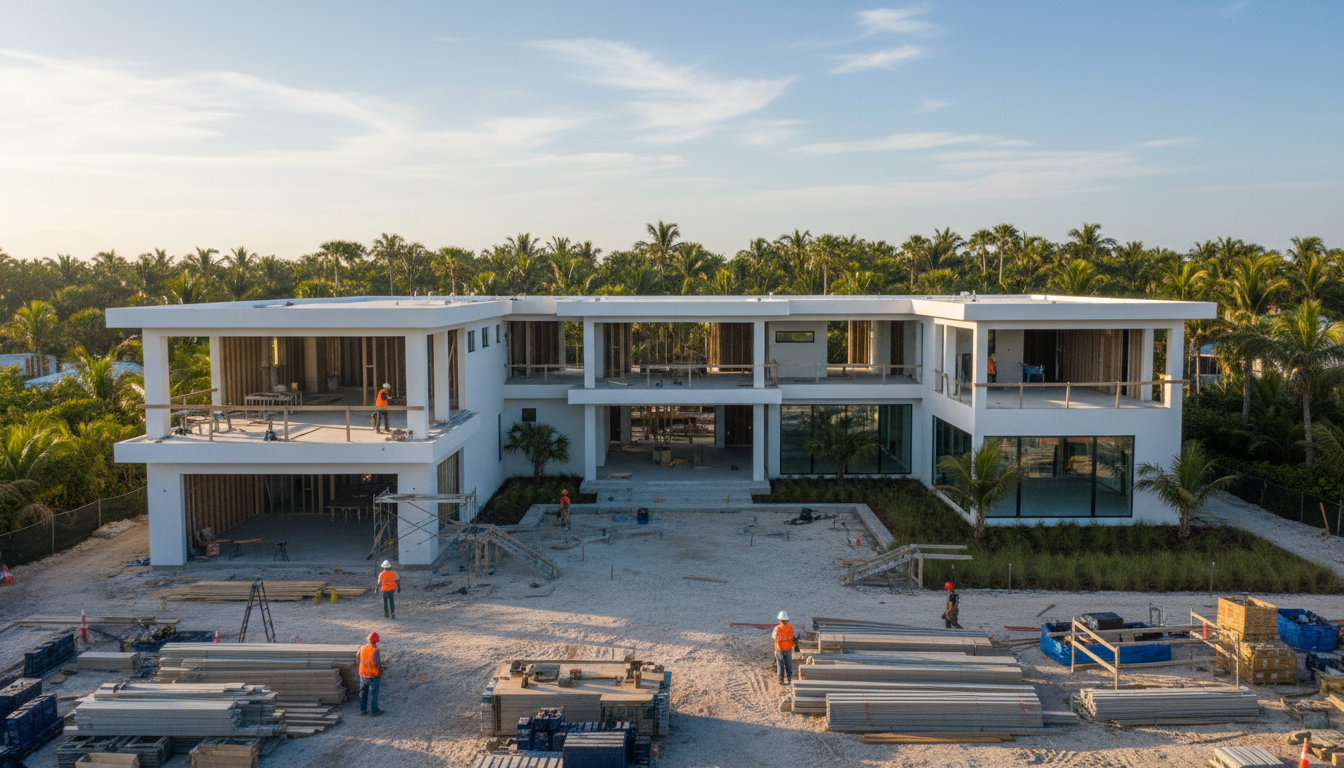
Before you break ground, it's crucial to assess the current state of your home. Evaluate the areas that will be affected by the extension and consider any existing issues that might need addressing. This could include checking for leaks, insulation problems, or structural weaknesses.
Consult with a professional to conduct a thorough inspection. This will help you identify potential challenges and allow you to plan accordingly, ensuring that your extension is built on a solid foundation.
Planning and Budgeting
Creating a detailed plan is the cornerstone of any successful project. Start by setting a realistic budget that accounts for all aspects of the extension, including materials, labor, and unexpected expenses. Keep in mind that winter projects might incur additional costs due to weather-related delays.

Work with your contractor to develop a timeline that factors in seasonal challenges. A well-thought-out plan will help keep your project on track and minimize stress.
Weatherproofing Your Home
Winter weather can be harsh, so it's important to ensure your home is adequately weatherproofed. Start by sealing any drafts around windows and doors. Check your roof for leaks and ensure gutters are clear to prevent water damage.
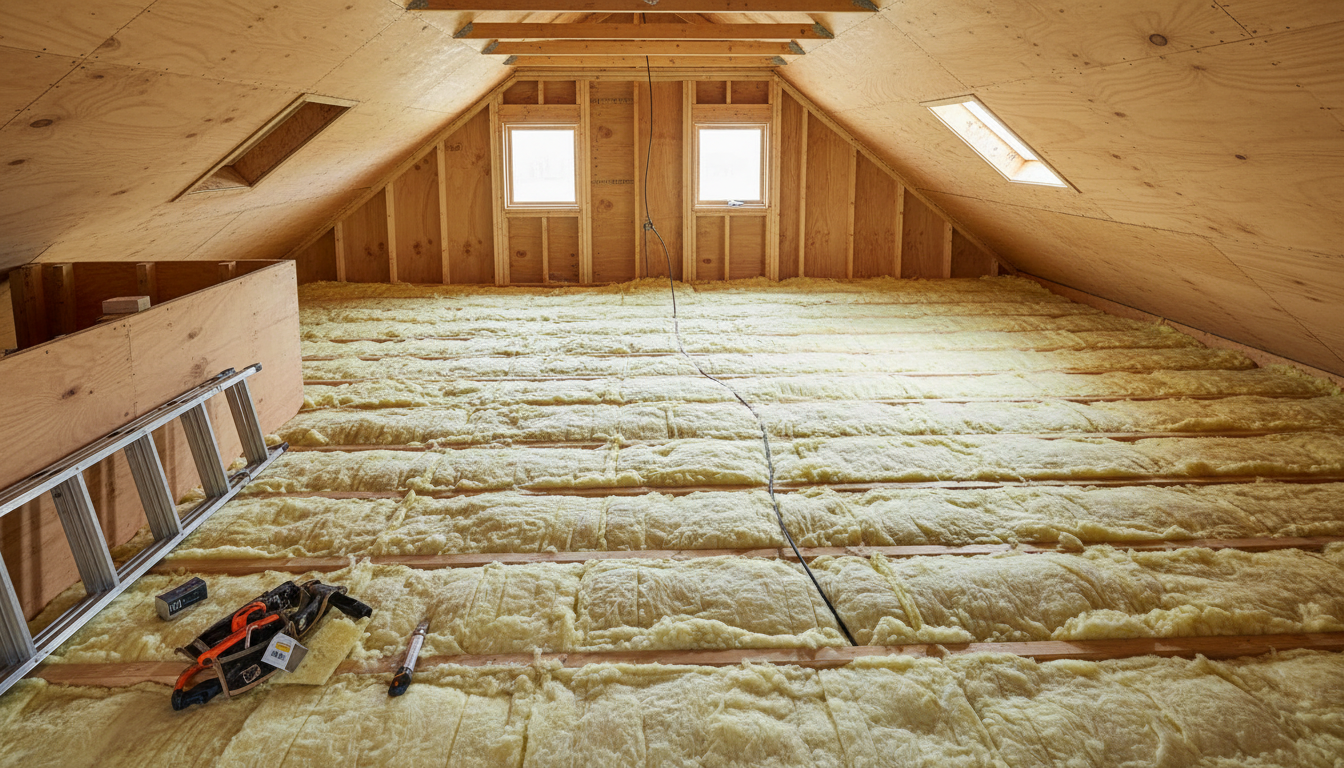
Consider adding extra insulation to keep your home warm during construction. This not only creates a comfortable environment but also improves energy efficiency, potentially saving you money on heating bills.
Choosing the Right Materials
Material selection is crucial when building in winter. Opt for materials that can withstand cold temperatures and moisture. Some materials may require specific handling or installation techniques during colder months.
Discuss these considerations with your contractor to ensure that all materials are suitable for winter construction. This will help prevent delays and ensure the longevity of your extension.
Coordinating with Contractors
Effective communication with your contractor is key. Regular updates and meetings will keep everyone aligned and help address any issues promptly. Choose a contractor with experience in winter projects to benefit from their expertise.

Ensure that all permits and approvals are in place before starting the project. This will help avoid any legal issues and ensure a smooth construction process.
Being Ready for Unexpected Challenges
Despite meticulous planning, unexpected challenges may arise. Weather conditions can be unpredictable, leading to potential delays. It's essential to remain flexible and adjust your plans as needed.
Having contingency plans in place will help you tackle any surprises without compromising the quality or timeline of your project.
Final Touches and Inspections
As your project nears completion, focus on the final touches. Ensure that all aspects of the extension meet your expectations and address any minor issues before they escalate.
Conduct a final inspection with your contractor to confirm that everything is up to standard. This final step ensures that your home is ready to weather the winter comfortably.