Myth-Busting: Common Misconceptions About Timber Frame Construction


Understanding Timber Frame Construction
Timber frame construction has been used for centuries, yet it remains surrounded by myths and misconceptions. By understanding the facts, homeowners and builders can make informed decisions about using this sustainable and versatile building method.
Myth 1: Timber Frames Are Weak
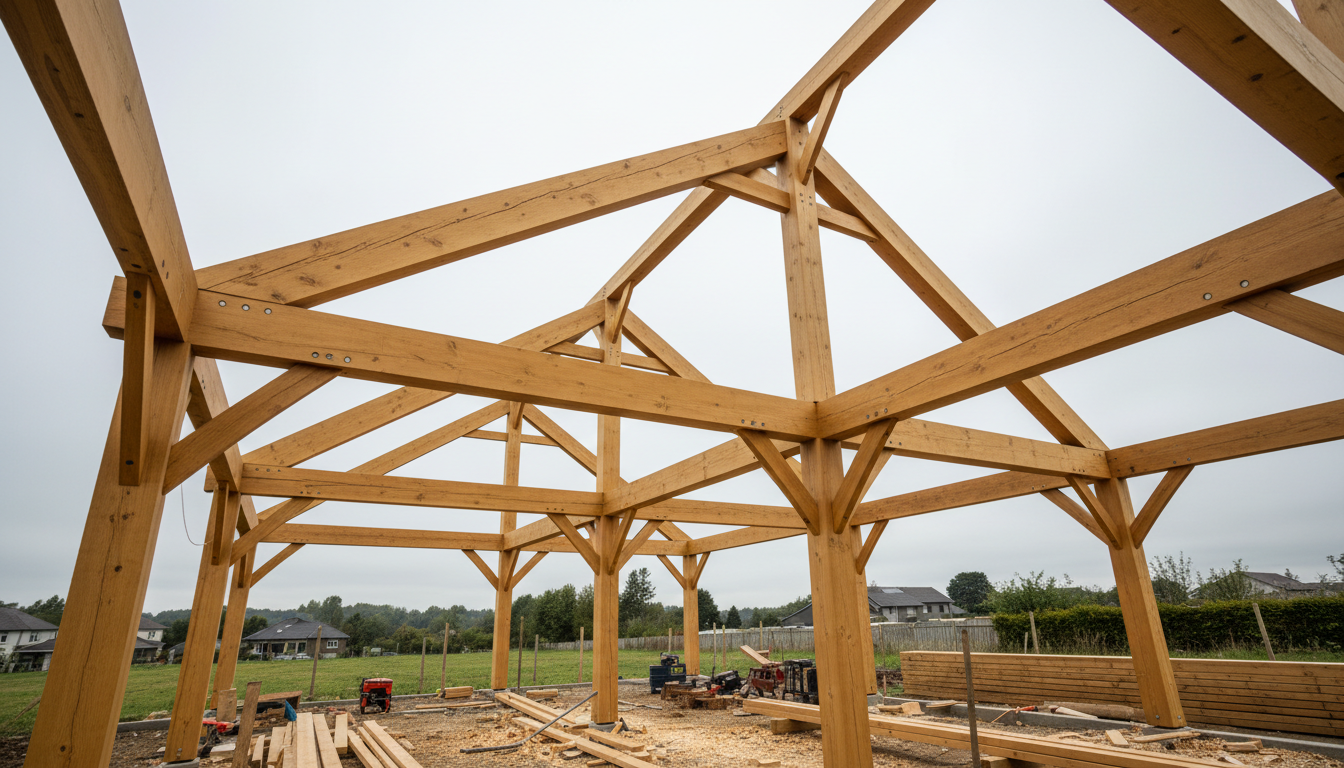
One common misconception is that timber frames lack strength. In reality, timber is a remarkably strong material, known for its resilience and durability. Modern engineering techniques enhance its structural integrity, allowing timber frames to withstand significant loads and natural forces.
Structural engineers often choose timber for its ability to absorb stress and maintain stability during events like earthquakes. Its natural flexibility makes it an ideal choice for areas prone to seismic activity.
Myth 2: Timber Frame Homes Are Not Energy Efficient
Another false belief is that timber frame homes are poor insulators. In fact, timber's natural insulating properties contribute to energy efficiency. When combined with high-quality insulation materials, timber frame homes can achieve excellent thermal performance.
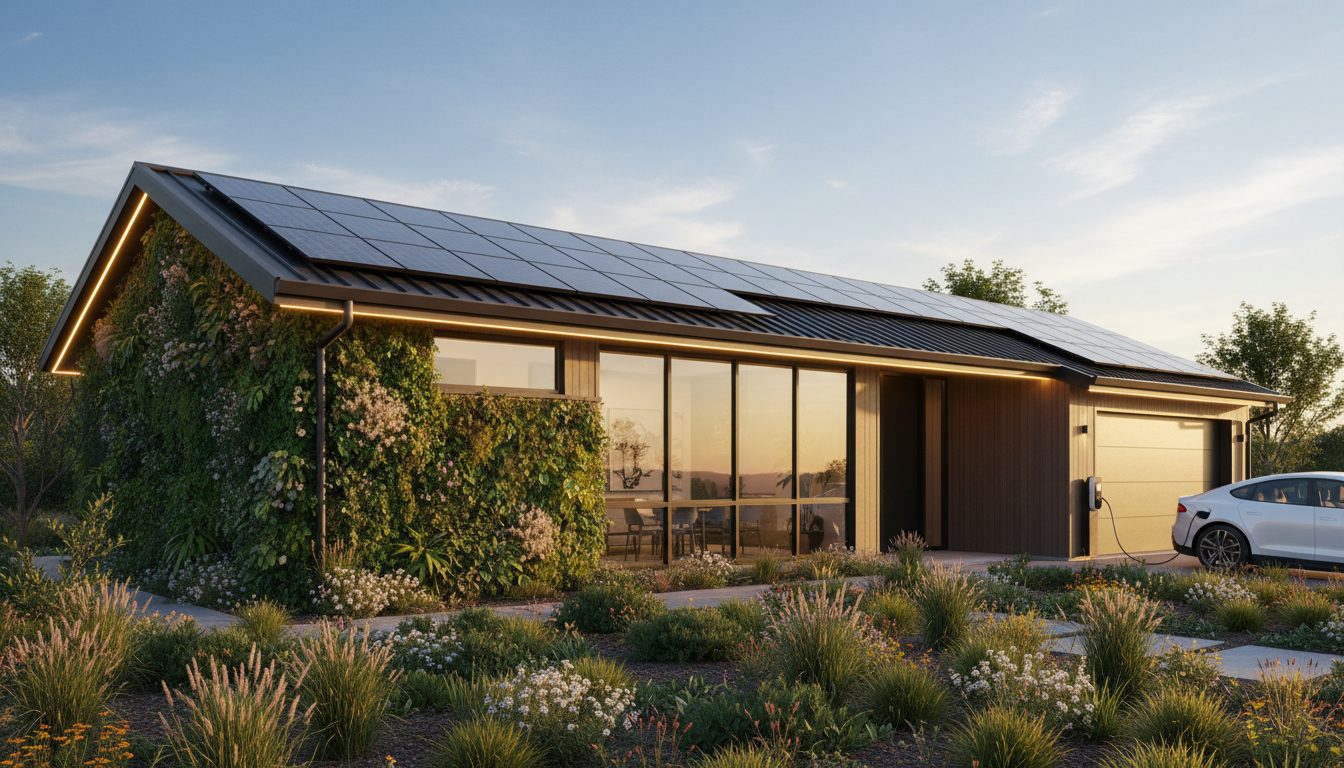
Additionally, timber's ability to regulate humidity enhances indoor air quality and comfort, making these homes both cozy and cost-effective in the long run.
Myth 3: Timber Frames Are Prone to Pests
Concerns about pests, such as termites and wood-boring insects, are often cited as a drawback of timber frame construction. However, modern treatment methods and construction practices significantly reduce these risks.
Using treated timber and implementing preventative measures like regular inspections and maintenance can effectively protect timber frame structures from pest-related damage.
Myth 4: Timber Frame Construction Is Expensive
Many believe that timber frame construction is cost-prohibitive. While initial costs may appear higher compared to some traditional methods, the long-term benefits often outweigh the upfront investment.
- Reduced energy costs
- Durability and low maintenance
- Environmental benefits
These factors contribute to the overall value, making timber frame homes a financially savvy choice over time.
Myth 5: Timber Frame Homes Lack Design Flexibility
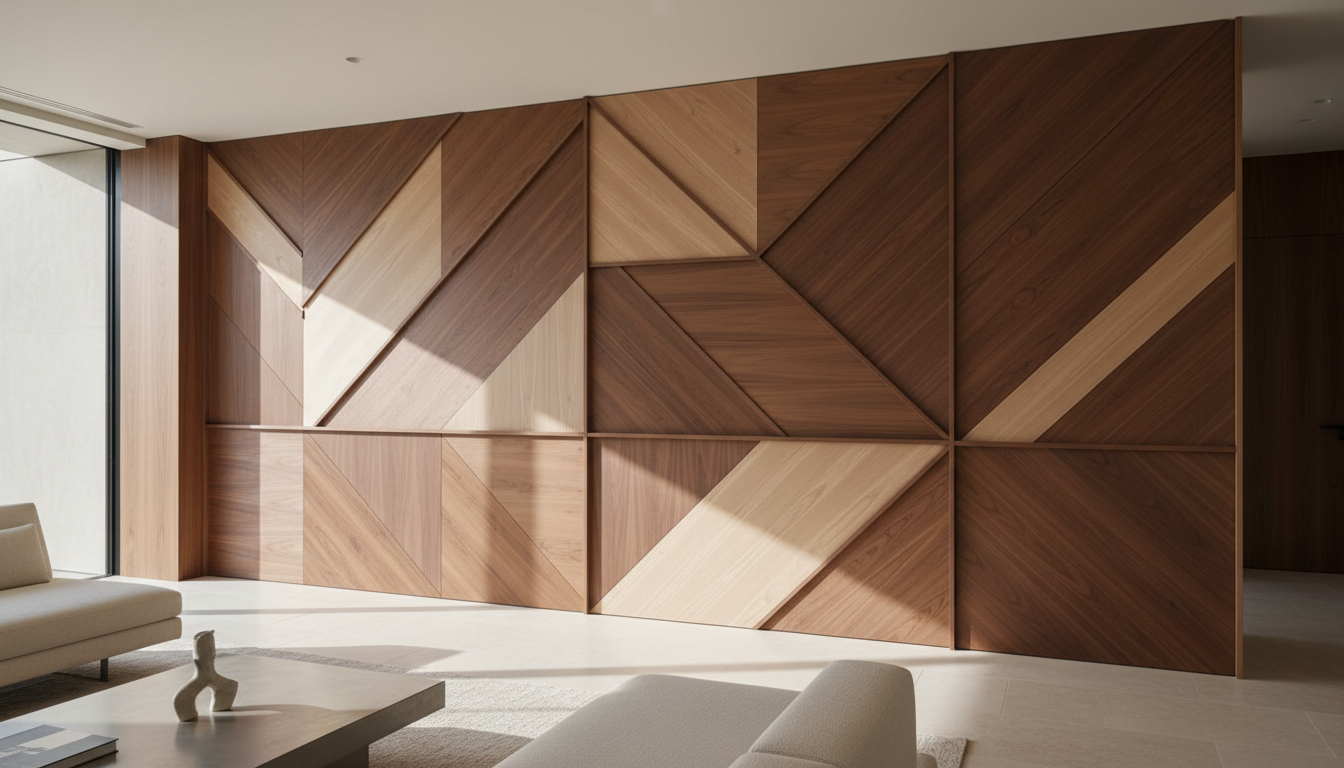
Contrary to popular belief, timber frame construction offers incredible design flexibility. The open floor plans and wide spans are achievable due to the strength of the timber, allowing for creative architectural designs.
Whether you're envisioning a rustic retreat or a modern masterpiece, timber frame construction can accommodate various styles and preferences.
Conclusion
Timber frame construction is a time-tested building method with numerous advantages. By dispelling these common myths, we can appreciate its true potential and continue to embrace it as a sustainable and innovative solution for modern living.