Myth-Busting: Common Misconceptions About Timber Frame Construction


Understanding Timber Frame Construction
Timber frame construction has been around for centuries, yet myths and misconceptions about it persist. In this post, we'll dive into some of the most common misunderstandings and set the record straight. Timber framing is not just a nod to tradition but a modern, sustainable building method.
Myth 1: Timber Frames Aren't Durable
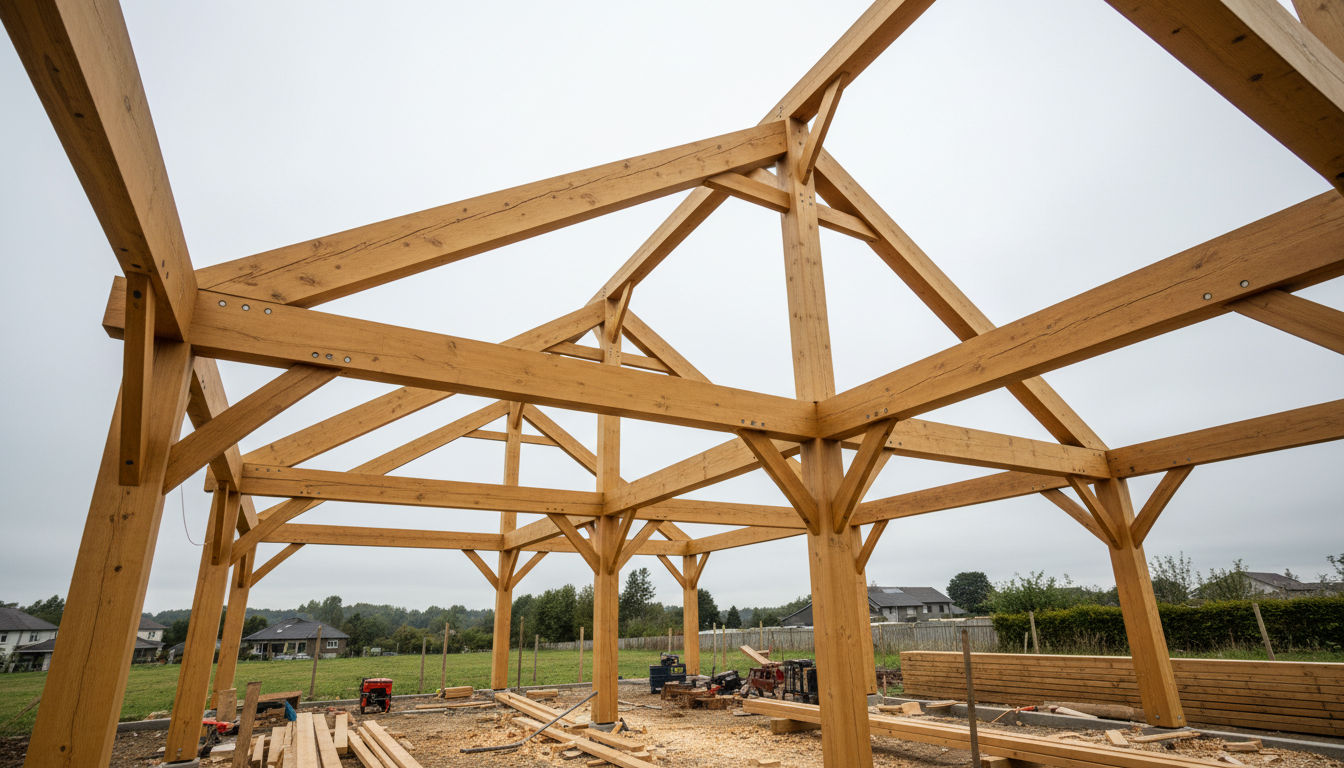
A prevalent myth is that timber frames lack durability compared to other construction methods. However, timber is one of the oldest and most reliable building materials available. When properly maintained, timber structures can last for hundreds of years. Many historic buildings still stand today as a testament to timber's enduring strength.
Myth 2: Timber Frame Homes Are Prone to Fire
Contrary to popular belief, timber frame homes are not more susceptible to fire than other types of construction. In fact, large timber beams char on the outside, forming an insulating layer that protects the inner core. This can slow the spread of fire and maintain structural integrity longer than steel, which can weaken at high temperatures.

Myth 3: Timber Frame Construction Is Expensive
Another misconception is that timber frame construction is prohibitively expensive. While the initial costs may be slightly higher, timber frames can offer long-term savings. They are energy-efficient, reducing heating and cooling costs. Additionally, the speed of construction can lower labor expenses.
The Benefits of Timber Frame Construction
Timber frame construction is not just about aesthetics; it offers numerous benefits that make it a smart choice for modern builders. Here are some advantages:
- Sustainability: Timber is a renewable resource, and responsible forestry practices ensure its availability for future generations.
- Design Flexibility: The open spaces and large spans of timber frames allow for creative and versatile design options.
- Energy Efficiency: Timber's natural insulating properties help maintain indoor temperatures, reducing energy consumption.
Myth 4: Timber Frames Are Difficult to Insulate
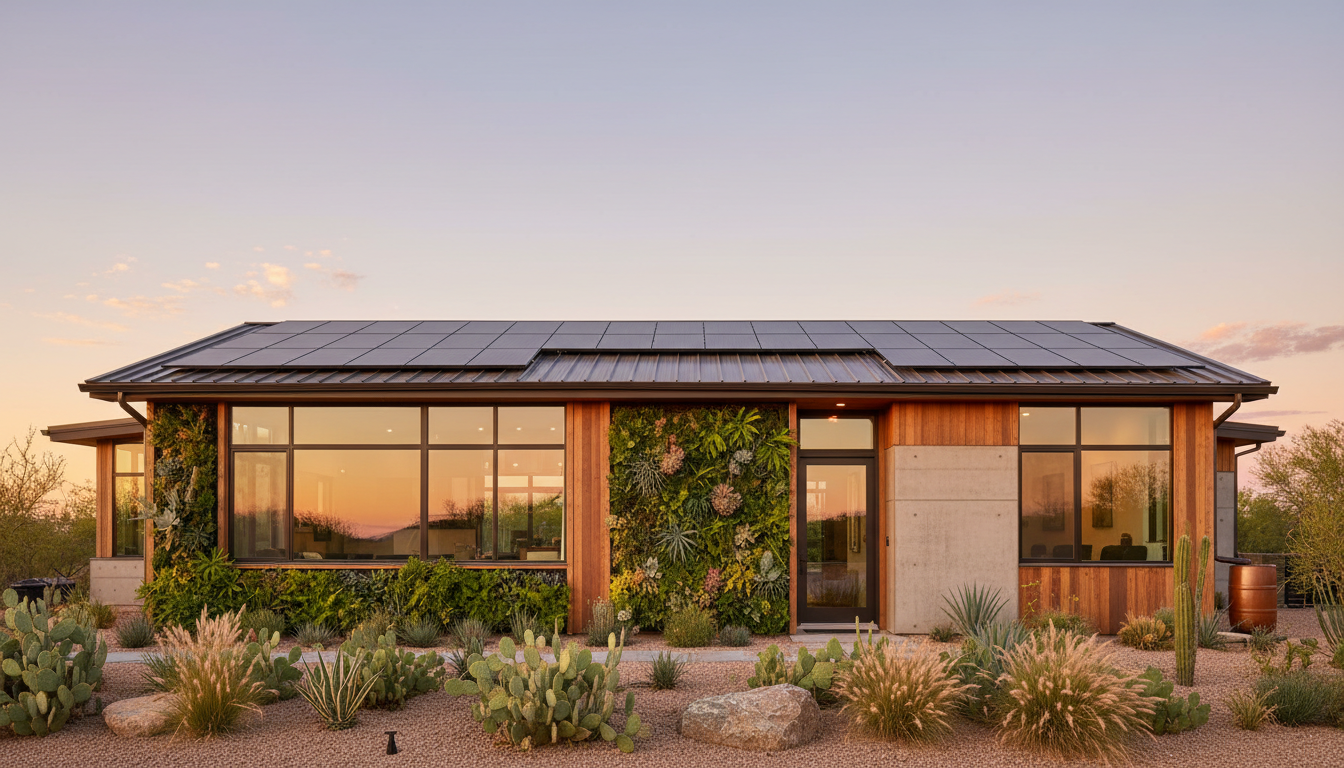
Some believe that timber frame homes are challenging to insulate. In reality, they can achieve excellent thermal performance through the use of structural insulated panels (SIPs) or other modern insulation techniques. These methods provide tight building envelopes that enhance energy efficiency.
Myth 5: Timber Frame Homes All Look the Same
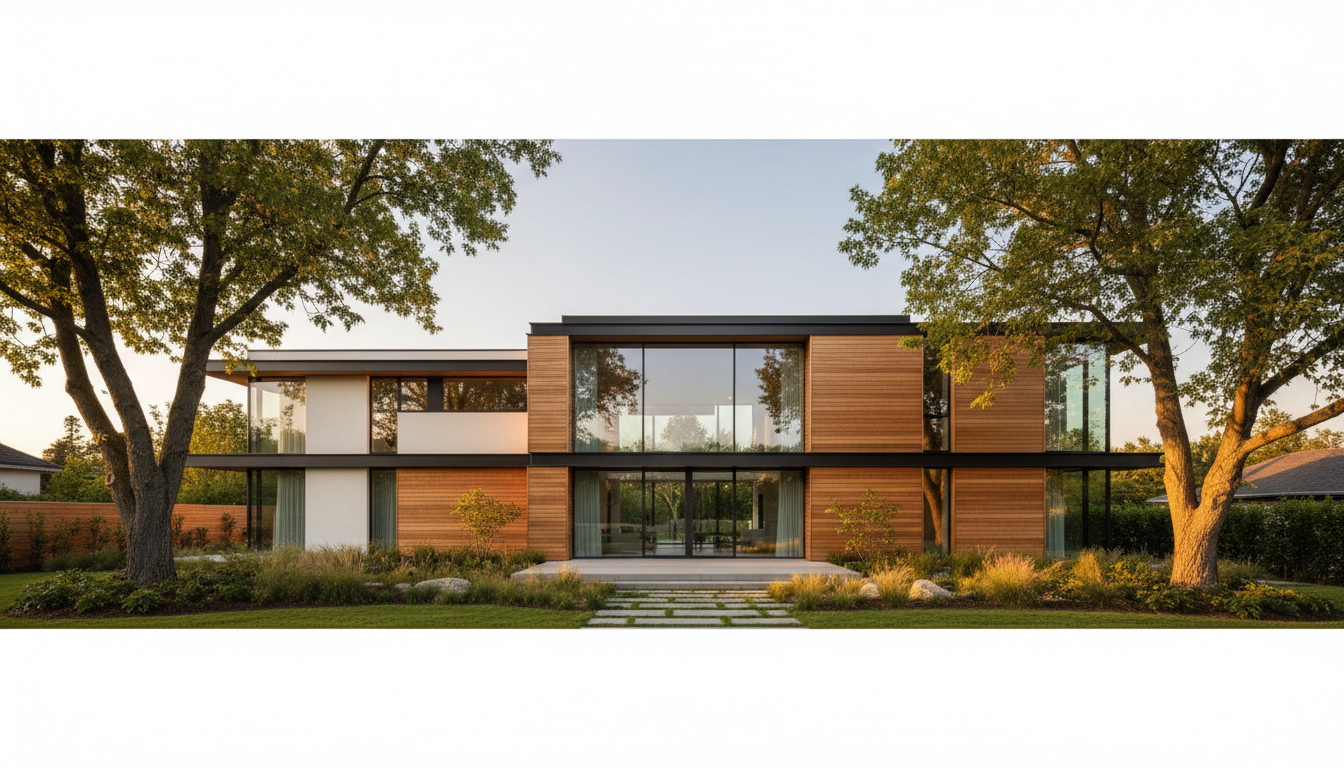
There's a notion that timber frame homes lack variety in design. However, the versatility of timber allows for a wide range of architectural styles, from rustic cabins to contemporary masterpieces. With skilled design, timber frames can be customized to suit any aesthetic preference.
Conclusion: Embracing Timber Frame Construction
Dispelling these myths reveals the true potential of timber frame construction. It's a durable, sustainable, and versatile building method that blends tradition with modern innovation. Embracing timber frames allows homeowners to enjoy beautiful, energy-efficient, and long-lasting homes.