Myth-Busting Timber Frame Construction: What You Need to Know


Understanding Timber Frame Construction
Timber frame construction has been around for centuries, yet many misconceptions persist about its durability and practicality. In this blog post, we aim to debunk some of the most common myths surrounding this age-old building technique. Whether you're considering it for a new home or just curious, understanding the truth behind timber framing can help you make informed decisions.
Myth 1: Timber Frames Are Not Durable
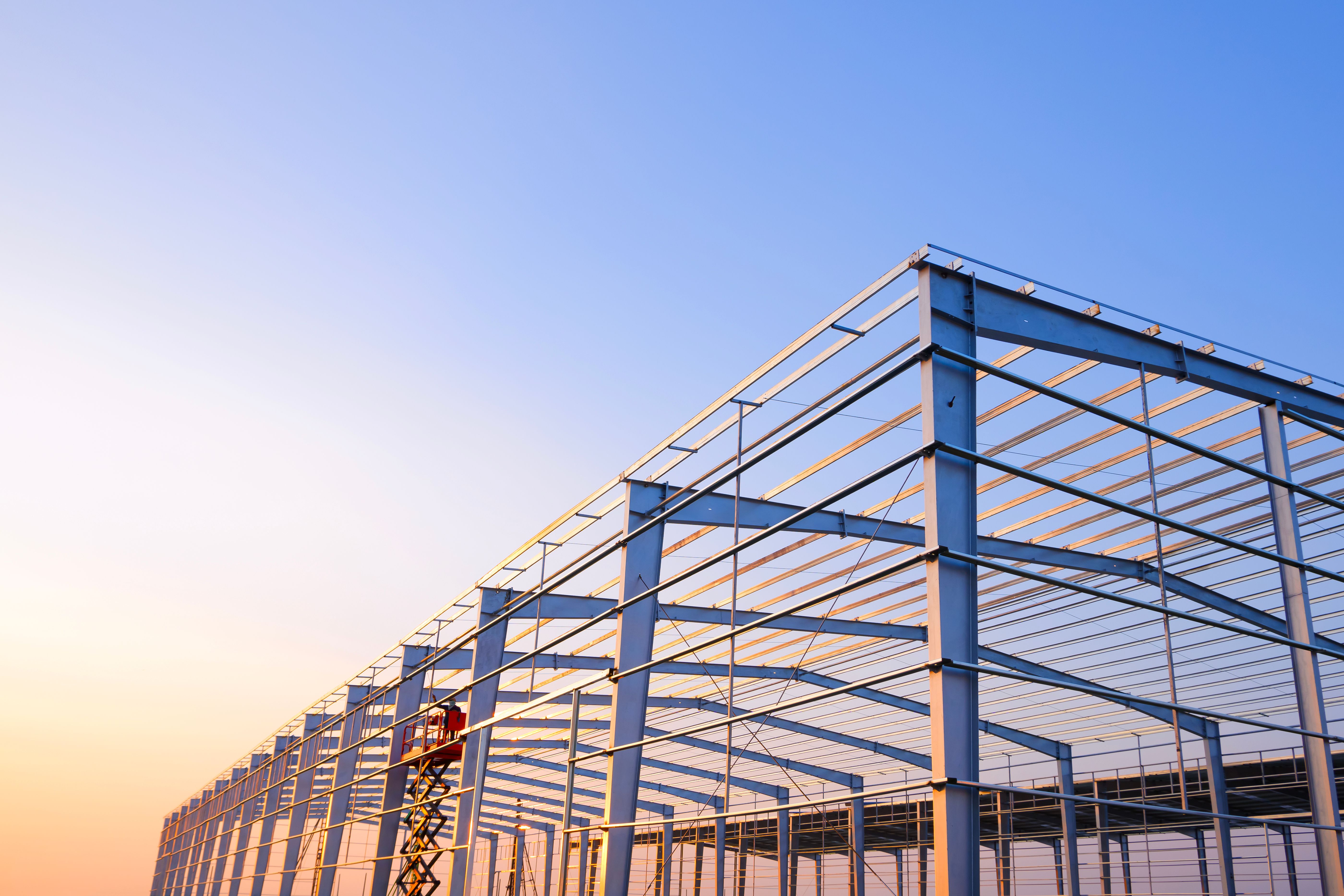
One of the most prevalent myths is that timber frame structures are not as durable as those made from steel or concrete. In reality, timber frames have stood the test of time, with many structures lasting for hundreds of years. Modern treatments and construction techniques have only enhanced their longevity, making them a viable option for contemporary buildings.
Wood's natural flexibility also makes it more resistant to damage from environmental factors such as earthquakes. It’s important to note that proper maintenance plays a key role in extending the life of any building, including those made with timber.
Myth 2: Timber Frame Homes Are Not Energy Efficient
Another misconception is that timber frame homes are not energy efficient. However, the opposite is true. Timber frame construction allows for the use of large insulation spaces within the walls, leading to excellent thermal performance. This means that these homes can maintain a comfortable indoor temperature with less energy consumption.

Additionally, wood is a natural insulator, which helps to reduce energy costs. When combined with other energy-efficient materials and methods, timber frame homes can meet and even exceed energy standards.
Myth 3: Timber Frames Are Expensive
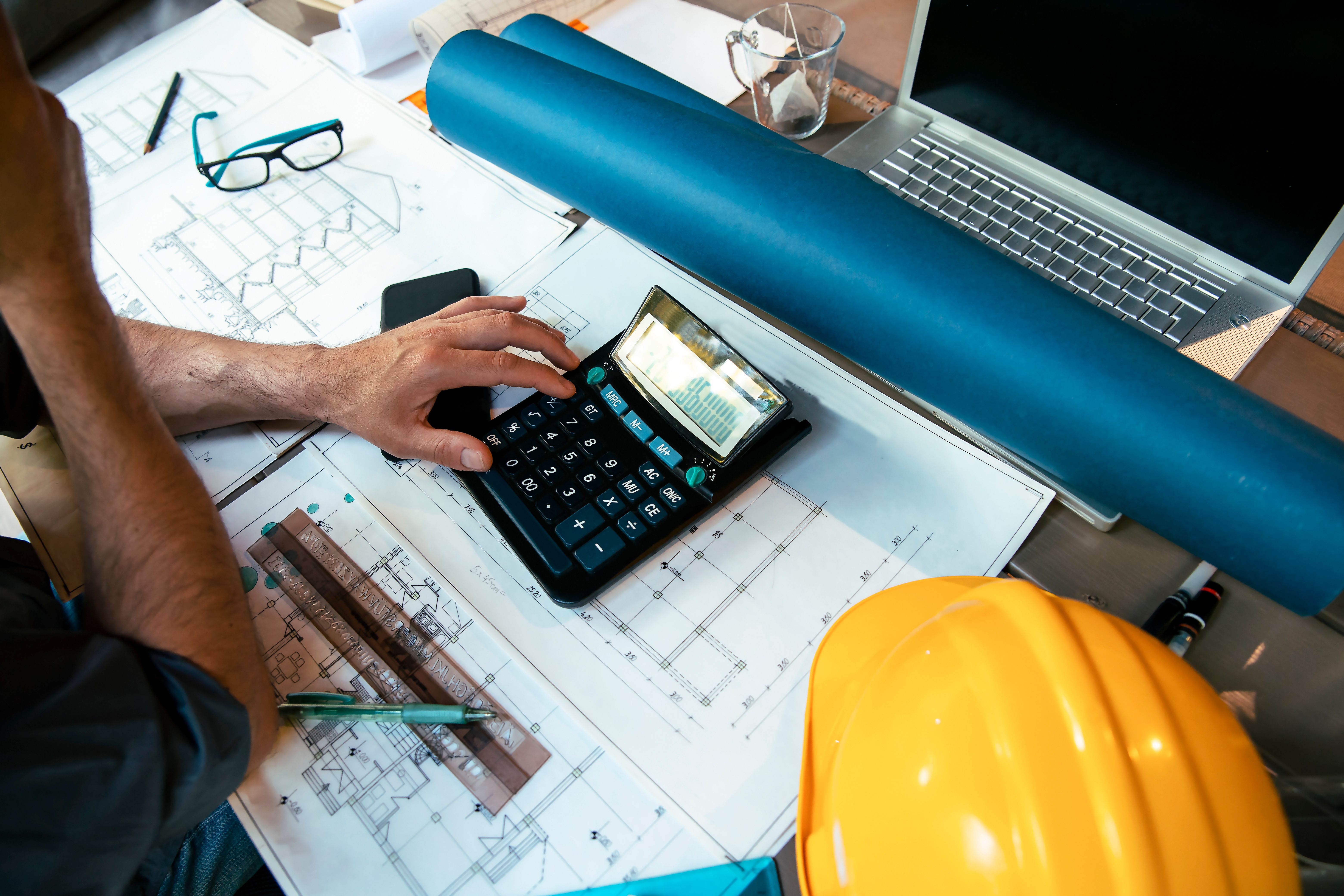
Cost is often a concern for potential homeowners, and there's a myth that timber frame homes are more expensive than traditional builds. While the initial cost may vary depending on design and materials, timber frame construction can be cost-effective in the long run. The energy savings and durability can offset the initial investment over time.
Moreover, the open-plan design often associated with timber frames can reduce the need for additional materials, which can further decrease costs.
Myth 4: Timber Frames Are Not Versatile
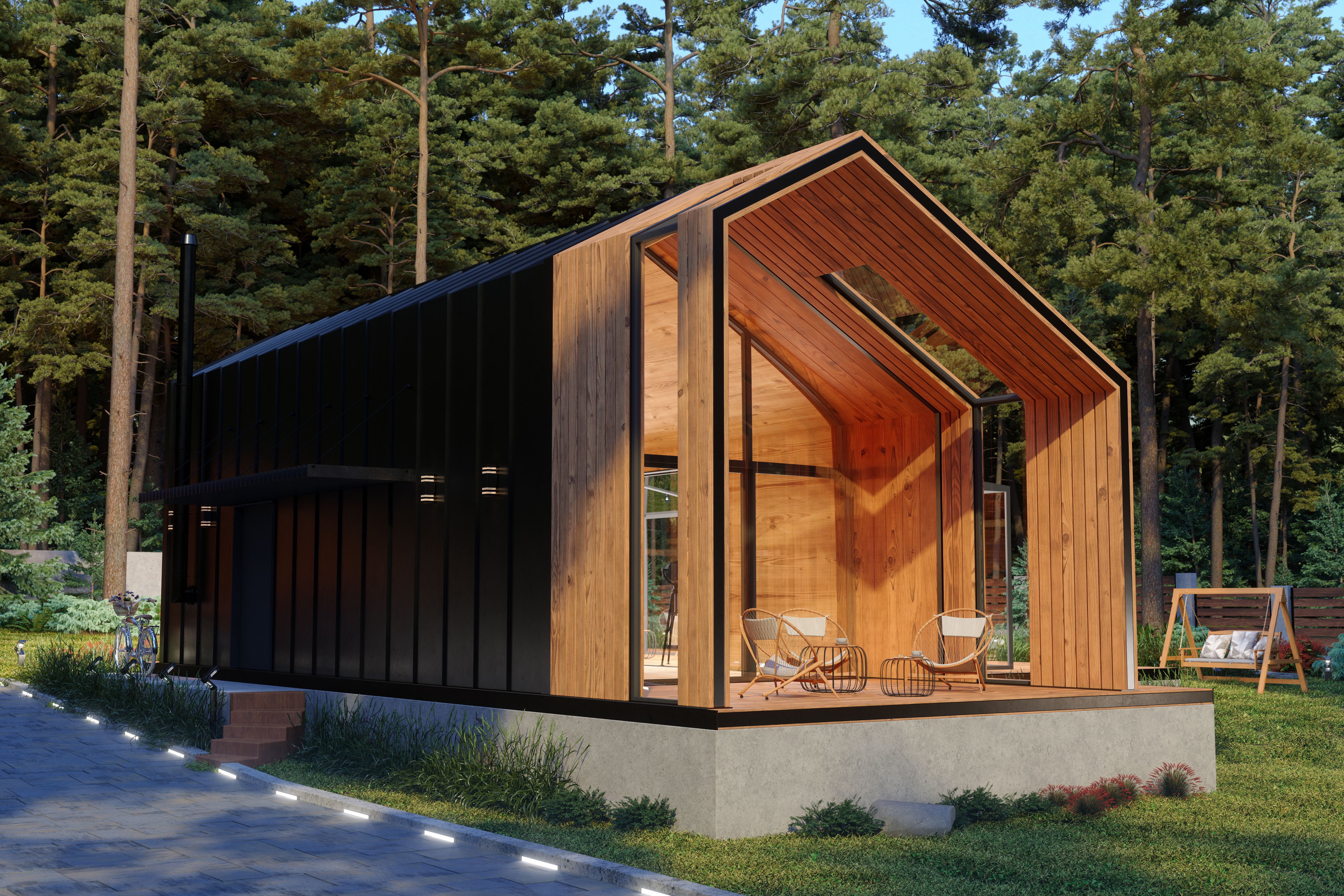
Some people believe that timber frame construction is limited in design options. In reality, timber frames offer incredible versatility. They can be adapted to fit a wide range of architectural styles, from traditional to modern. The open spaces between the frames allow for creative and flexible interior layouts.
This flexibility extends to exterior finishes as well, with options for brick, stone, or even modern cladding, allowing homeowners to achieve their desired aesthetic.
Conclusion: The Truth About Timber Frame Construction
Timber frame construction is a reliable, energy-efficient, and versatile building method. By debunking these myths, we hope to shed light on the true benefits and possibilities it offers. Whether you're building a new home or simply exploring your options, timber framing is a strong contender that deserves consideration.