Myths About Timber Frame Construction: What You Need to Know


Timber frame construction has been around for centuries, yet many myths and misconceptions still surround this traditional building method. In this post, we'll debunk some common myths and shed light on the realities of timber frame construction.
Myth 1: Timber Frame Homes Aren't Durable
One of the most prevalent myths is that timber frame homes lack durability compared to their steel or concrete counterparts. In reality, timber frames are incredibly strong and have been known to last for hundreds of years. The use of high-quality wood, combined with modern engineering techniques, ensures that these structures are sturdy and reliable.
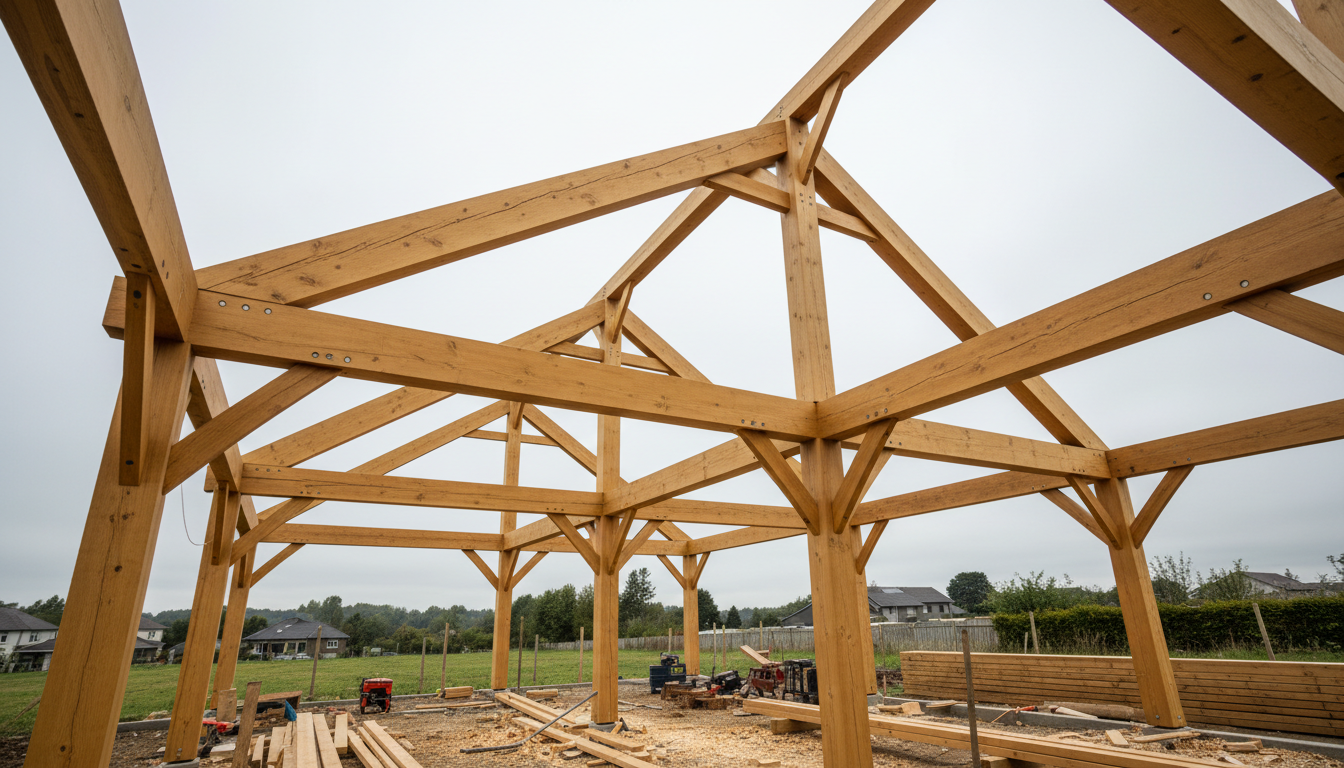
Timber's natural flexibility allows it to withstand environmental stresses, such as earthquakes and strong winds, better than more rigid materials. This adaptability contributes significantly to its longevity.
Myth 2: Timber Frame Homes Are Not Energy Efficient
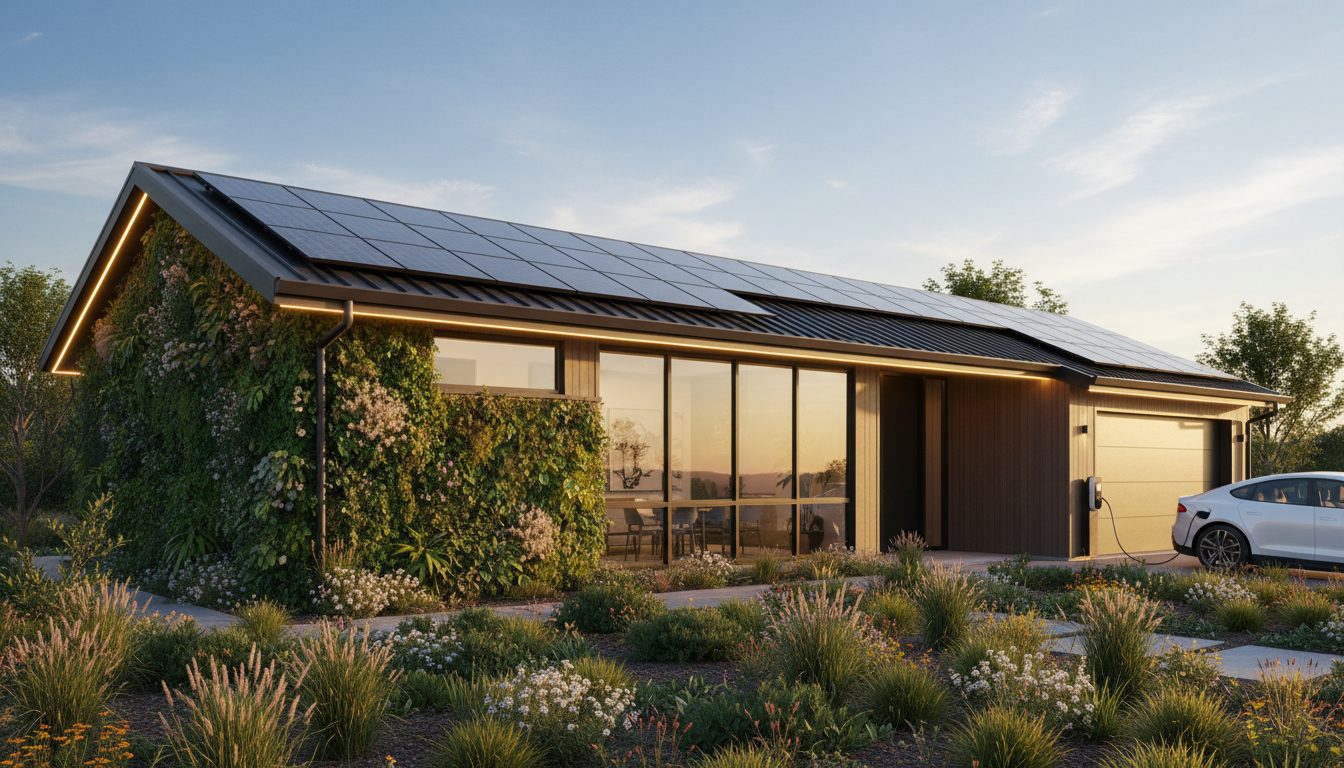
Another common misconception is that timber frame homes are not energy efficient. On the contrary, timber has natural insulating properties that help maintain a comfortable indoor climate. When combined with modern insulation materials, timber frame houses can be highly energy efficient.
Many timber frame homes incorporate design elements like large windows and open spaces to maximize natural light and reduce energy consumption. The use of sustainable materials further enhances the eco-friendliness of these homes.
Myth 3: Timber Frame Construction Is Too Expensive
While it's true that the initial cost of timber frame construction can be higher than some other building methods, the long-term savings often outweigh the initial investment. Timber frame homes are typically quicker to build, reducing labor costs and construction time.
The energy efficiency of timber frame homes also leads to lower utility bills, providing ongoing savings. Additionally, the aesthetic appeal and durability of timber frames can increase the property's resale value, offering a good return on investment.
Myth 4: Timber Frames Are Not Suitable for Modern Design
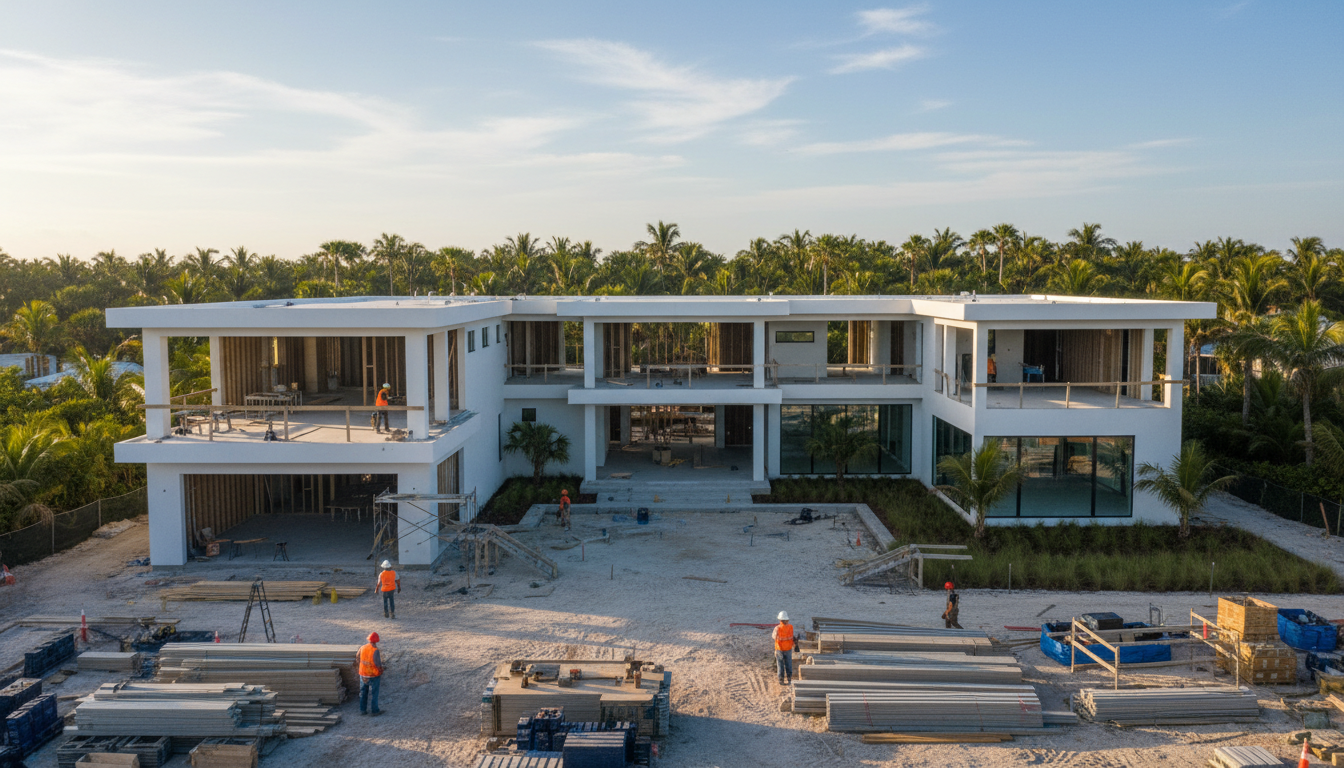
Some people believe that timber frame construction is only suitable for rustic or traditional designs. However, timber frames can be seamlessly integrated into modern architectural styles. The flexibility of timber allows for innovative designs and open floor plans that cater to contemporary tastes.
Architects and builders often combine timber with other materials, like glass and steel, to create striking modern designs that highlight the beauty and strength of the wood.
Conclusion: Embracing Timber Frame Construction
Timber frame construction is a versatile, durable, and energy-efficient building method that can suit a wide range of architectural styles. By dispelling these myths, we hope to highlight the benefits and possibilities that timber frame homes offer.
Whether you're drawn to the aesthetic appeal, the sustainability, or the structural integrity, timber frame construction is a choice worth considering for your next building project.