Navigating UK Building Regulations for Timber Frame Extensions


Understanding UK Building Regulations
When planning a timber frame extension in the UK, one of the key considerations is ensuring compliance with building regulations. These regulations are designed to ensure the health, safety, and welfare of people in and around buildings. Navigating these rules can be complex, but understanding the basics is crucial for a successful project.

Building regulations cover various aspects of construction, including structure, fire safety, energy efficiency, and accessibility. For timber frame extensions, particular attention must be paid to structural integrity and fire safety, which are pivotal in ensuring the extension is safe and durable.
Structural Integrity
Timber frame extensions must be designed to support the loads they will bear, including the weight of the building itself and external factors like wind and snow. It is vital to work with a structural engineer to ensure that the design meets the necessary standards. Building Control may require detailed plans and calculations to verify compliance.
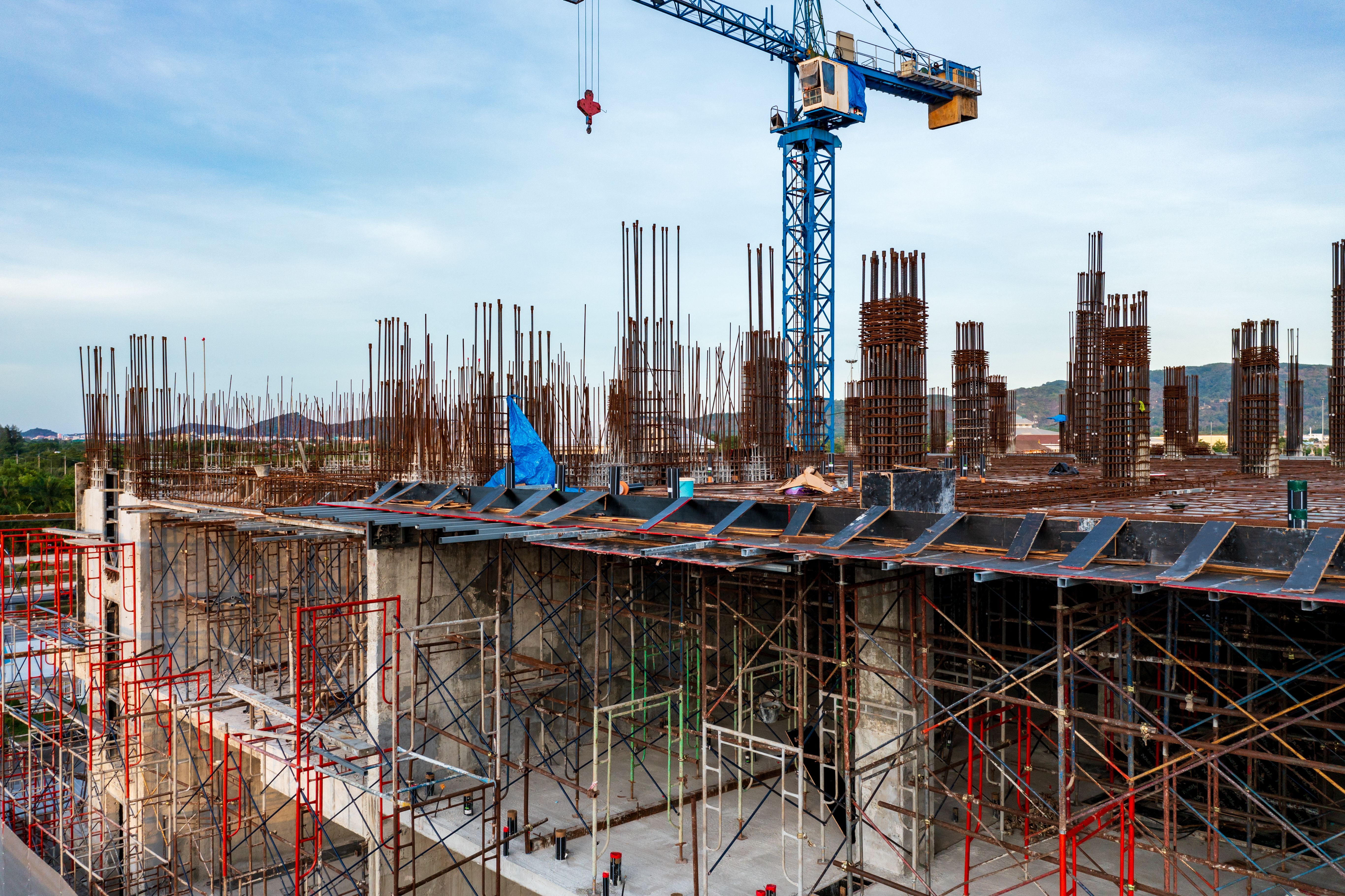
Using quality materials and skilled labor is essential in maintaining structural integrity. Regular inspections during the construction phase can help identify and resolve potential issues early, ensuring that the project remains on track and within regulation.
Fire Safety Considerations
Fire safety is another critical aspect of building regulations. Timber, being a combustible material, requires careful consideration in its use within construction. Regulations may dictate the use of fire-resistant materials and specific construction methods to minimize fire risks.
It is often necessary to install fire alarms and detection systems, and in some cases, sprinkler systems may be required. Consulting with fire safety experts can provide guidance on best practices and help ensure compliance with all relevant regulations.

Energy Efficiency and Sustainability
Building regulations in the UK also emphasize energy efficiency, aiming to reduce carbon emissions and promote sustainability. Timber frame extensions can offer excellent insulation properties, contributing to energy-efficient designs.
Incorporating sustainable practices, such as using responsibly sourced timber and installing energy-efficient windows and doors, can enhance the environmental credentials of your project. Additionally, adhering to energy efficiency standards can lead to long-term cost savings on energy bills.
Planning and Approval Process
The approval process for building regulations involves submitting detailed plans to the local authority or an approved inspector. This process can take several weeks, so it is important to factor this into your project timeline. Engaging with professionals who are familiar with the local regulations can streamline the process and prevent delays.
- Prepare detailed plans and specifications.
- Submit to local authority or approved inspector.
- Address any feedback and make necessary adjustments.
- Commence construction following approval.

By thoroughly understanding and adhering to UK building regulations, you can ensure a successful and compliant timber frame extension project. While the regulations may seem daunting at first, they are in place to ensure the safety, efficiency, and sustainability of your building endeavors.