The Ultimate Guide to Modern Carpentry Techniques for Home Extensions


Expanding your home is an exciting endeavor, and modern carpentry techniques can make all the difference in creating a seamless and stylish extension. Whether you're adding a new room, expanding your kitchen, or building a sunroom, understanding these techniques is crucial for a successful project.
Sustainable Materials
One of the cornerstones of modern carpentry is the use of sustainable materials. Bamboo, reclaimed wood, and engineered lumber are popular choices that not only provide durability but also minimize environmental impact. These materials can be sourced responsibly, allowing you to reduce your carbon footprint while still achieving a high-quality finish.
Incorporating sustainable materials into your home extension not only supports environmental conservation but also offers unique textures and aesthetics that can enhance the overall design.
Advanced Framing Techniques
Advanced framing techniques are designed to improve energy efficiency and reduce material waste. This involves strategically placing studs and using fewer materials without compromising structural integrity. It's a smart approach that aligns perfectly with modern eco-friendly building practices.
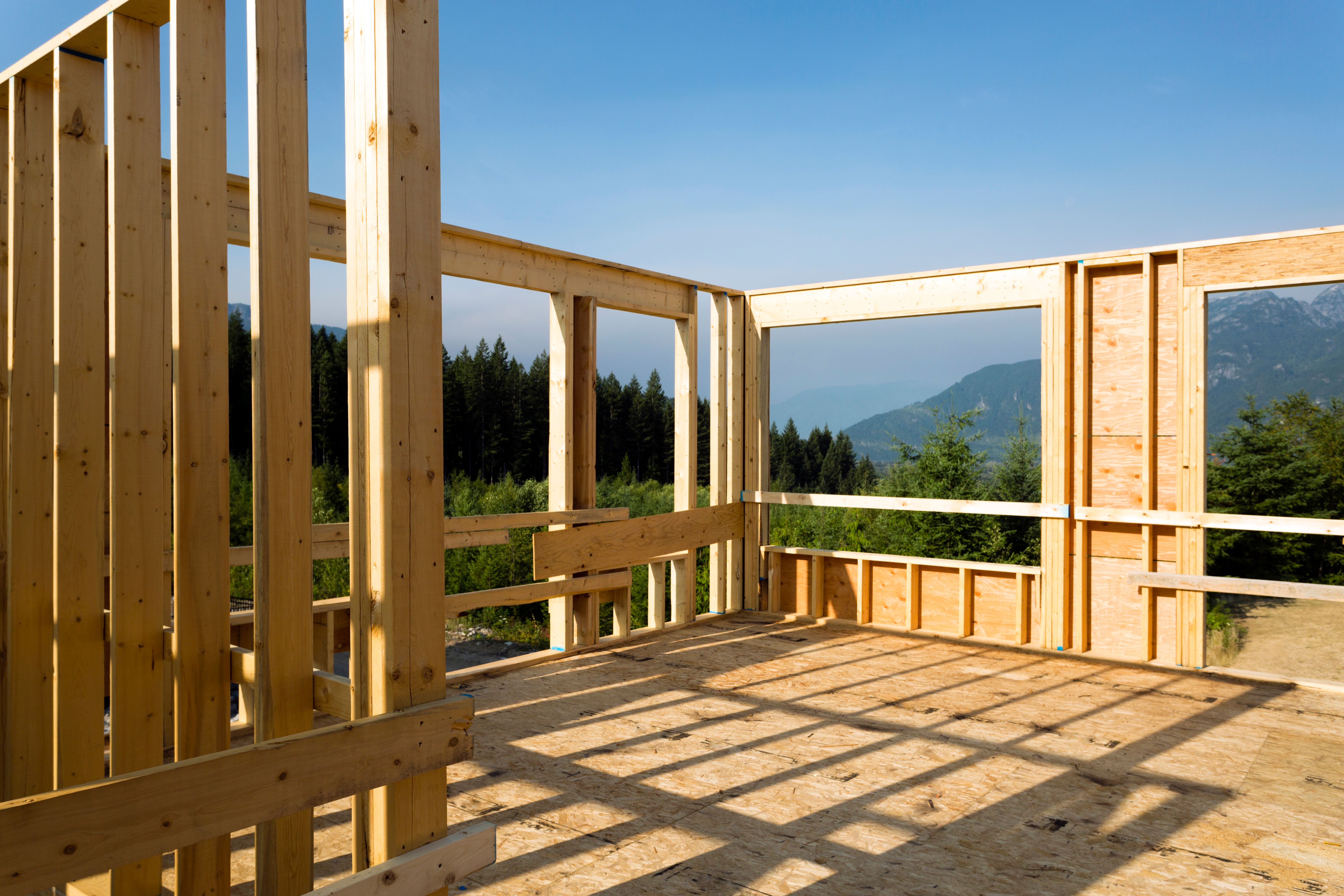
By optimizing the layout of structural elements, you can reduce thermal bridging and improve insulation, which translates to lower energy bills and a more comfortable living space.
Precision Cutting with CNC Machines
Computer Numerical Control (CNC) machines have revolutionized the way carpenters approach projects. These machines offer precision cutting, allowing for intricate designs and complex shapes that were previously difficult to achieve by hand.
Using CNC machines ensures that every cut is accurate and consistent, reducing the likelihood of errors and material wastage. This technology is particularly beneficial for detailed woodwork and custom fittings.
Modular Construction
Modular construction involves building sections of the home extension in a factory setting before transporting them to the site for assembly. This method is gaining popularity due to its efficiency and reduced construction time on-site.
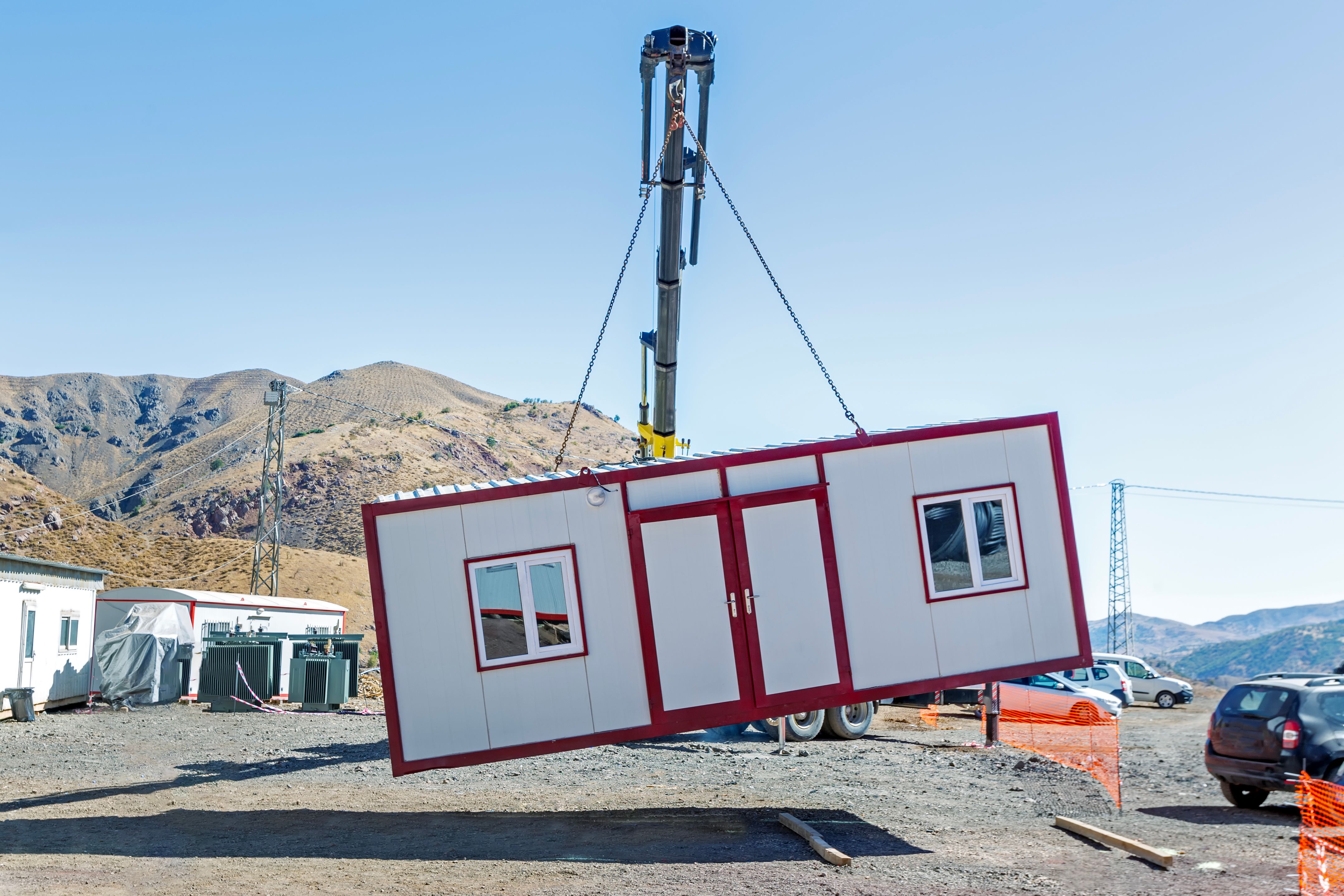
With modular construction, you benefit from a controlled environment that minimizes weather-related delays and ensures a higher level of quality control. This approach can significantly speed up the building process and reduce labor costs.
Integration of Smart Technology
Modern carpentry is not just about structural elements; it's also about integrating smart technology into the design. From automated lighting systems to smart thermostats, these features can be seamlessly incorporated into your home extension.
Smart technology enhances convenience and energy efficiency, allowing you to control various aspects of your home remotely. It's an investment that pays off in comfort and savings over time.
Conclusion
Embracing modern carpentry techniques for your home extension can lead to a more sustainable, efficient, and stylish addition. By choosing the right materials and leveraging advanced technology, you can create a space that not only meets your needs but also aligns with contemporary building practices.