
The Ultimate Guide to Timber Frame Construction in the UK


Introduction to Timber Frame Construction
Timber frame construction has become increasingly popular in the UK, offering a sustainable and efficient building method. By using prefabricated wooden frames, this technique combines speed and flexibility with environmental benefits.
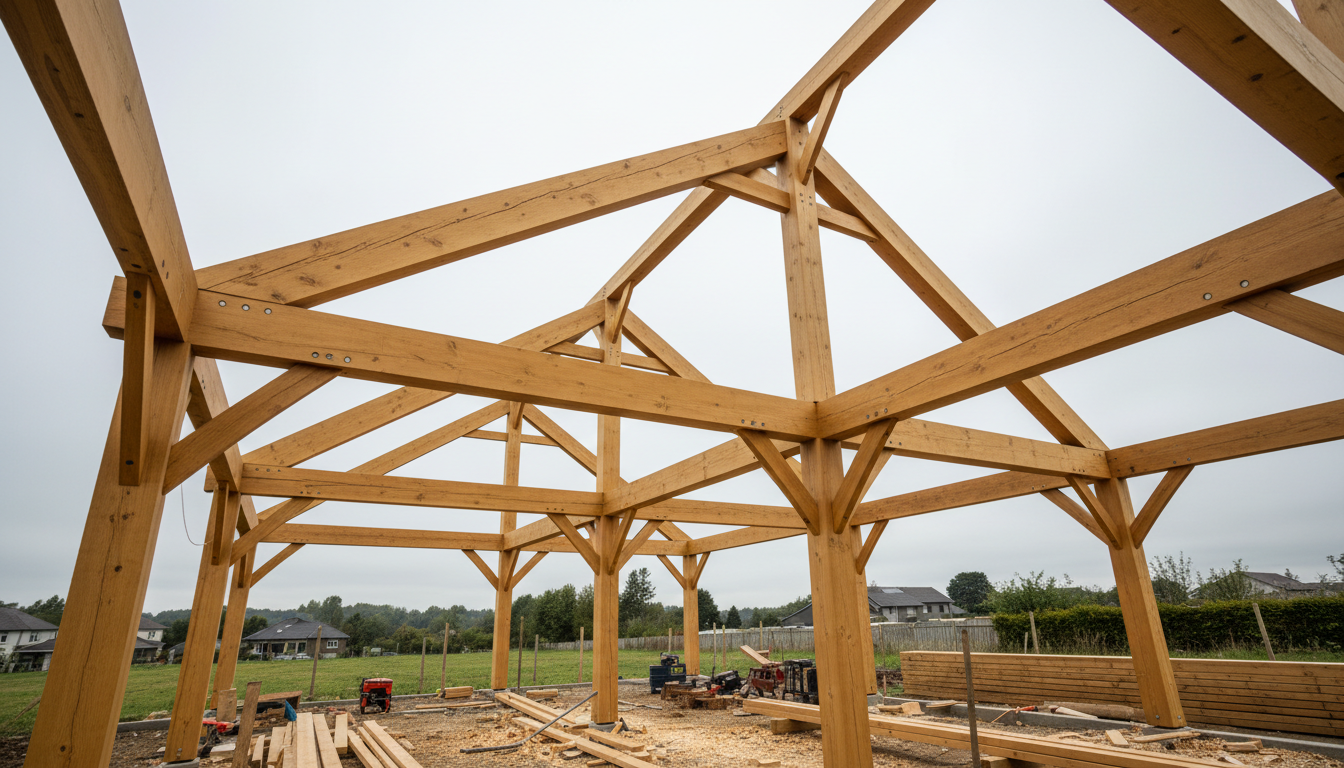
What is Timber Frame Construction?
Timber frame construction involves creating a building's structure using wooden beams and columns. These components are typically manufactured off-site and assembled on location, allowing for quick and precise construction. This method is renowned for its strength and durability.
Benefits of Timber Frame Construction
There are numerous advantages to using timber frame construction. Some of the most notable include:
- Environmental Friendliness: Timber is a renewable resource that absorbs CO2, making it a sustainable choice.
- Energy Efficiency: Timber frames are excellent insulators, reducing energy costs.
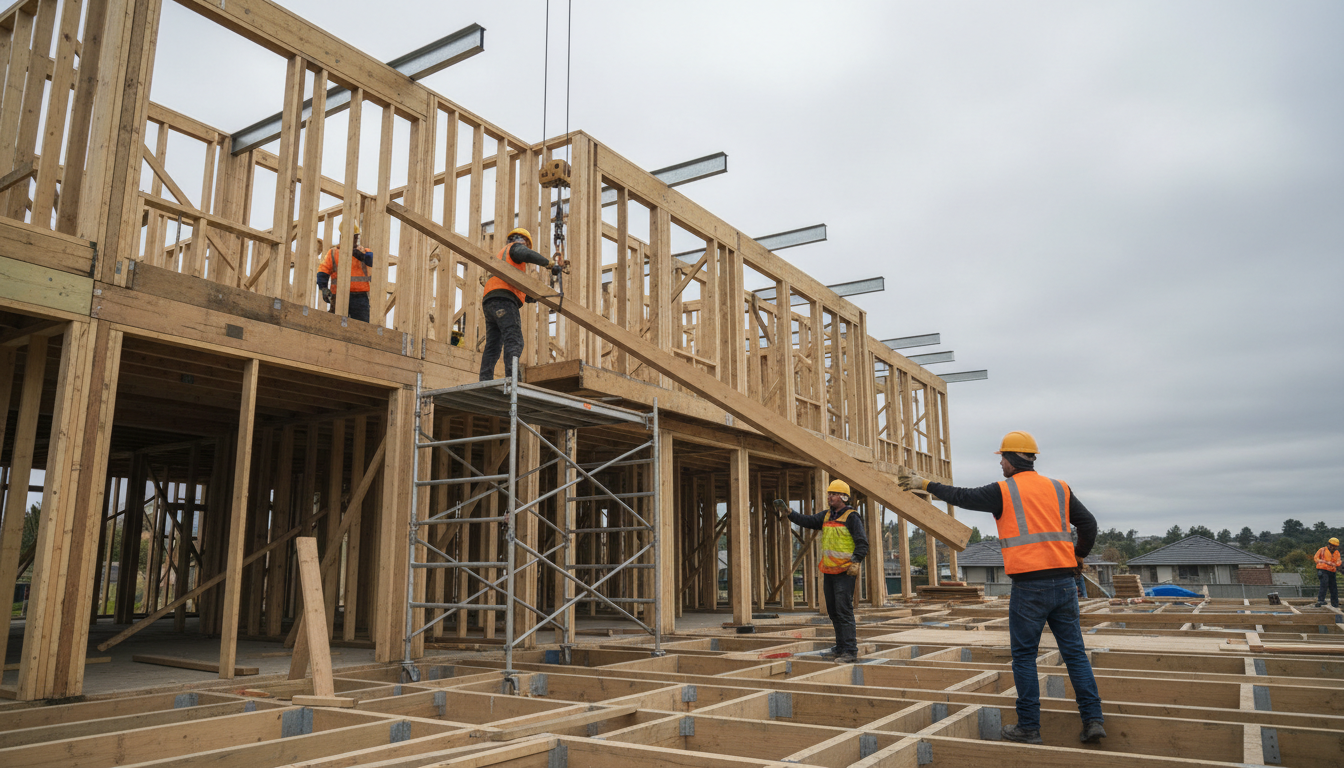
- Speed of Construction: Prefabrication allows for rapid assembly on-site.
Design Flexibility
Timber frames offer remarkable design flexibility. Whether you’re aiming for a traditional aesthetic or a modern look, the versatility of wood allows for a wide range of architectural styles. This flexibility also facilitates easy modifications and extensions in the future.
Cost Considerations
While timber frame construction can be cost-effective, it's essential to consider several factors. Initial costs may vary based on the type of wood and complexity of the design. However, the long-term benefits, such as reduced energy bills and faster construction times, often outweigh the upfront investment.
Regulatory Compliance
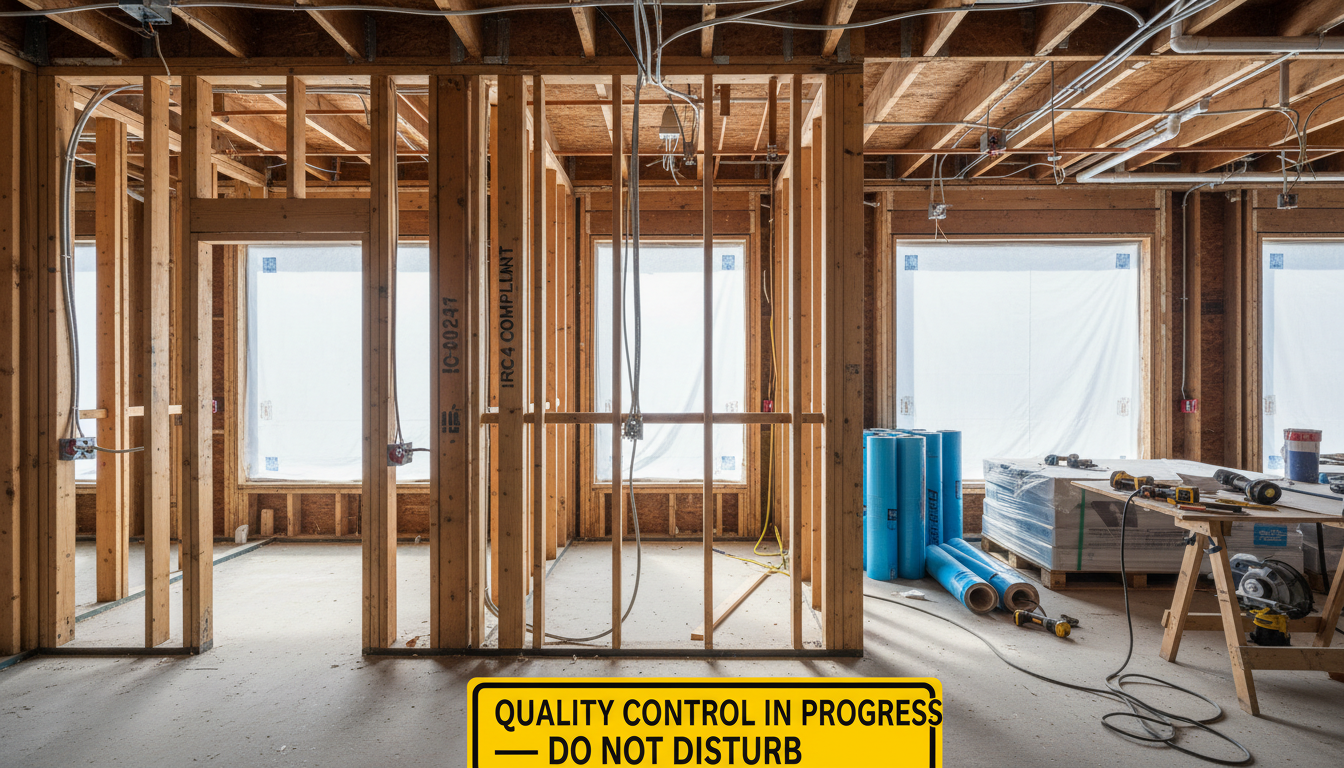
In the UK, construction projects must comply with specific building regulations. Timber frame construction meets these standards, offering robust fire safety, sound insulation, and structural integrity. Builders must ensure all materials and processes adhere to these regulations.
Construction Process
The timber frame construction process typically involves the following steps:
- Design and Planning: Detailed design plans are created.
- Manufacturing: Timber frames are precisely cut and assembled in a factory.
- Assembly: Prefabricated components are transported and erected on-site.
- Finishing: The structure is completed with insulation, cladding, and roofing.
Conclusion
Timber frame construction is a viable and attractive option for building in the UK. Its combination of sustainability, efficiency, and aesthetic flexibility makes it an appealing choice for homeowners and developers alike. By understanding its benefits and processes, you can make informed decisions about your next construction project.