Top FAQs About Timber Frame Construction Answered by Experts


Introduction to Timber Frame Construction
Timber frame construction has been gaining popularity due to its sustainability, aesthetic appeal, and versatility. However, many people have questions about this building method. In this post, we explore some of the top FAQs about timber frame construction, answered by industry experts.
Understanding the nuances of timber frame construction can help homeowners and builders make informed decisions about their projects. From cost-effectiveness to design flexibility, discover why timber framing might be the perfect choice for your next build.
What is Timber Frame Construction?
Definition and Characteristics
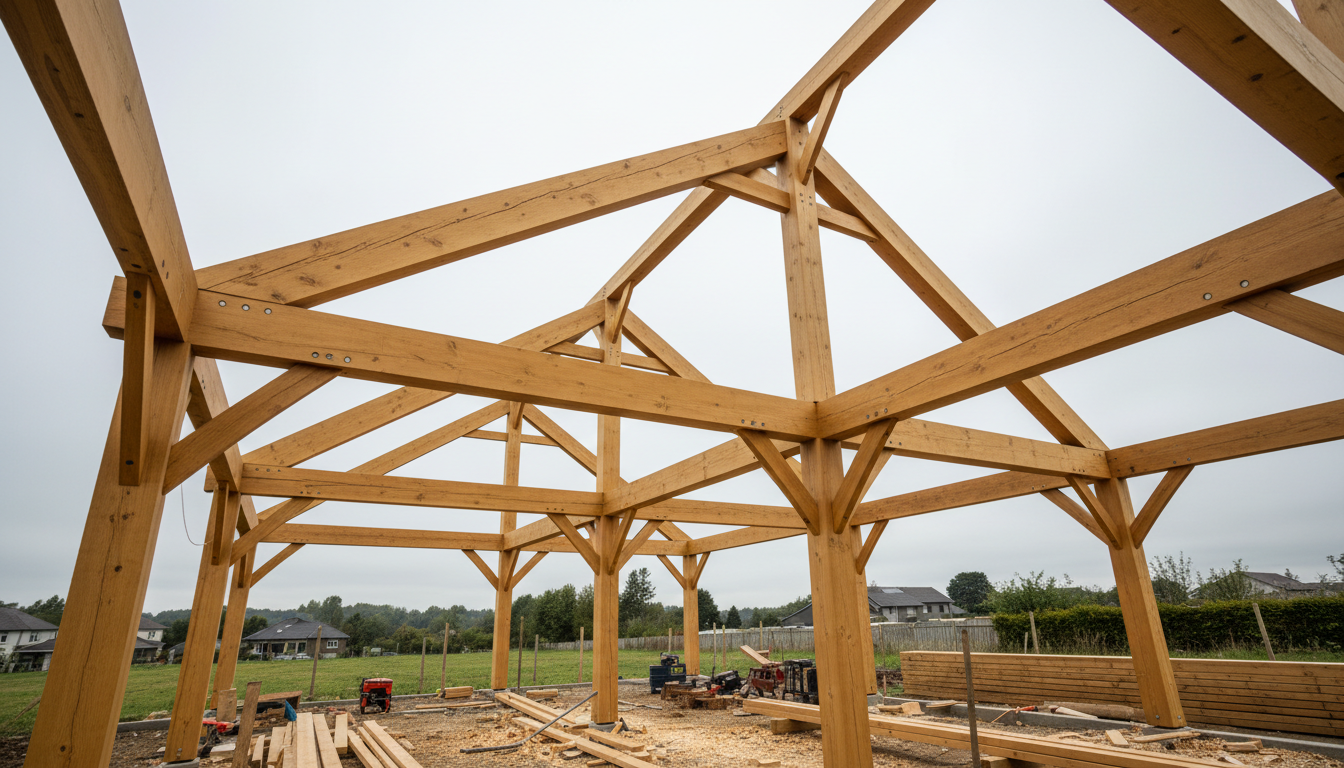
Timber frame construction involves creating a building's structure using large wooden beams and posts. Unlike traditional stick framing, which uses smaller dimensional lumber, timber framing showcases the natural beauty of wood with exposed beams and intricate joinery.
Benefits of Timber Frame Construction
This construction method is renowned for its strength and durability. Timber frames can support more weight and span greater distances than conventional framing, allowing for open floor plans and impressive vaulted ceilings.
Is Timber Frame Construction Eco-Friendly?
Sustainability and Environmental Impact
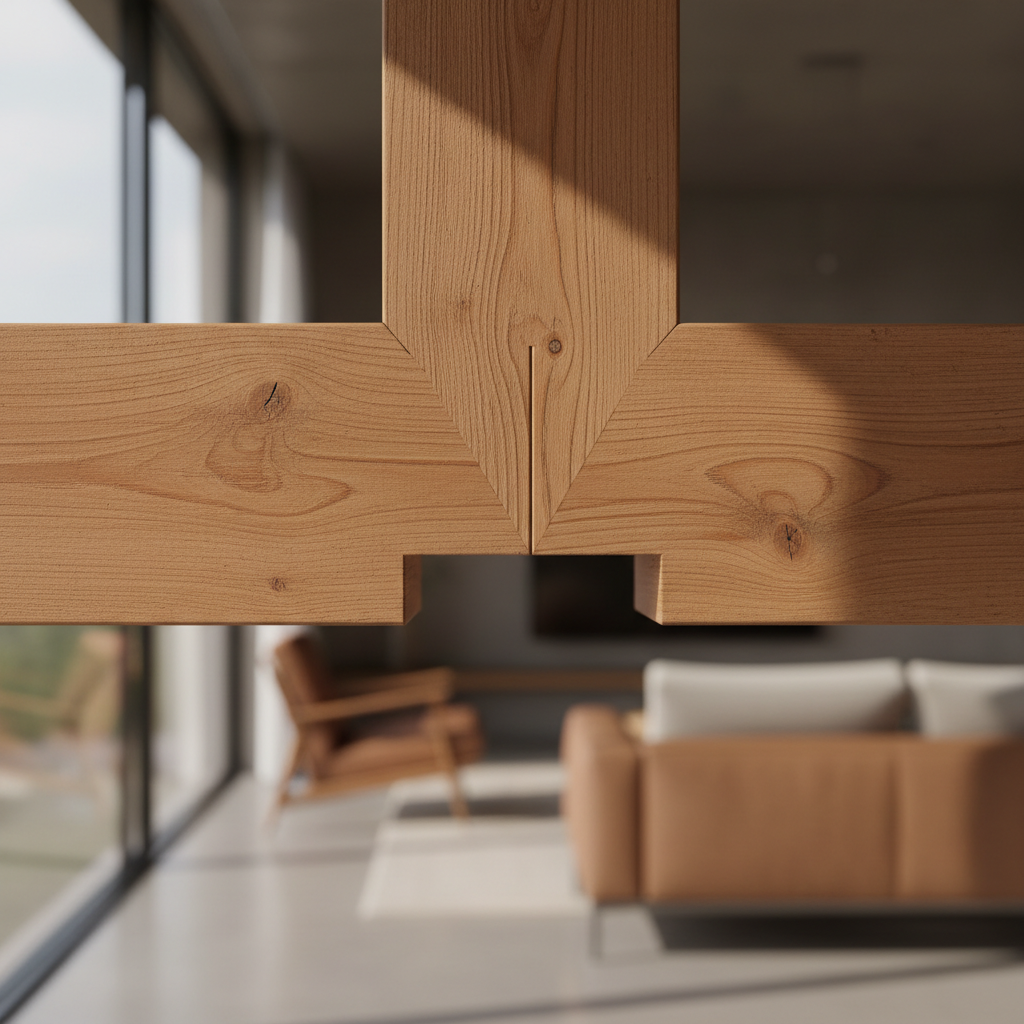
One of the biggest advantages of timber frame construction is its environmental friendliness. Timber is a renewable resource, and when sourced responsibly, it has a much lower carbon footprint compared to steel or concrete. Additionally, timber frames provide excellent insulation, reducing energy consumption in homes.
Certifications and Standards
Look for wood that is certified by organizations like the Forest Stewardship Council (FSC), ensuring that the timber is harvested sustainably. Using certified wood helps protect ecosystems and promotes responsible forestry practices worldwide.
Cost Considerations
Initial Investment vs. Long-Term Savings
While the initial cost of timber frame construction can be higher than traditional methods, the long-term savings often outweigh the upfront expenses. Timber frames are energy-efficient, reducing heating and cooling costs. Additionally, their durability means lower maintenance and repair costs over time.
Customization and Design Flexibility
Timber frame homes offer unparalleled design flexibility, allowing for custom layouts and unique architectural features. This adaptability can be a significant factor in increasing a home's value and enhancing its aesthetic appeal.

Common Concerns and Misconceptions
Fire Resistance
A common misconception is that timber frame buildings are more susceptible to fire. However, large timber beams char on the outside, forming a protective layer that shields the inner wood, providing significant fire resistance. This characteristic often gives timber frames a similar or better fire rating than steel structures.
Termite and Pest Control
Proper treatment and maintenance can effectively prevent termite and pest infestations. Many timber frames are treated with non-toxic preservatives that protect against pests without harming the environment.
In conclusion, timber frame construction offers numerous benefits, making it an attractive option for modern builders and homeowners. Whether you're drawn to its sustainability, aesthetic appeal, or structural integrity, this method provides a reliable and beautiful building solution.