Top Trends in Timber Frame Construction


Introduction to Timber Frame Construction
Timber frame construction has been gaining popularity due to its sustainability, aesthetic appeal, and efficient building process. As the construction industry evolves, several trends are shaping how timber frames are used in modern architecture.
This article explores the top trends in timber frame construction, providing insights into how this traditional building method is being adapted to meet contemporary demands.
Sustainability and Eco-Friendly Materials
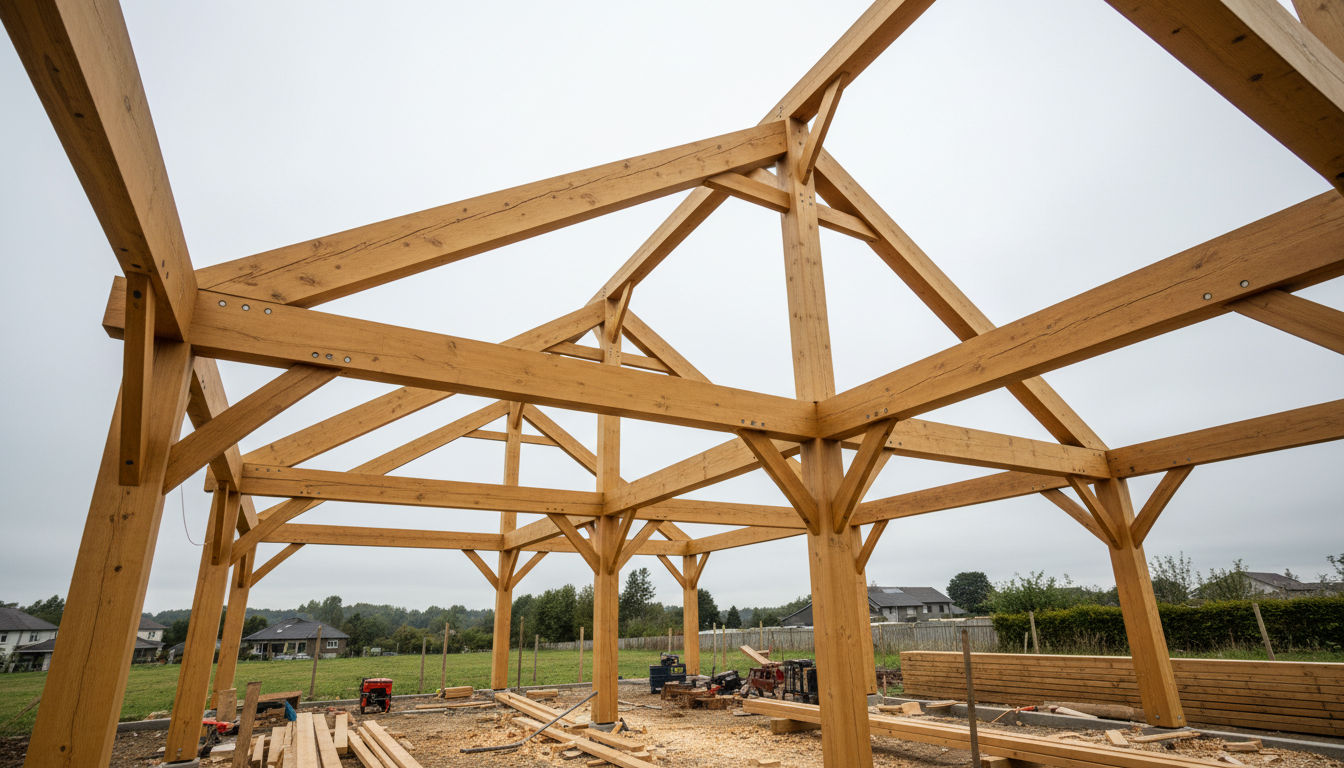
One of the most significant trends in timber frame construction is the focus on sustainability. Timber is a renewable resource, and when sourced responsibly, it offers an environmentally friendly alternative to other construction materials.
Architects are increasingly choosing certified sustainable wood, which ensures that the timber is harvested in a way that preserves the ecosystem. This trend not only supports environmental conservation but also appeals to eco-conscious consumers.
Innovative Design Techniques
Timber frames are no longer confined to traditional designs. Modern architecture is embracing innovative design techniques that highlight the versatility of wood. From open-plan layouts to intricate geometric structures, timber allows for creative expression without compromising strength.
These design innovations are supported by advancements in technology, such as computer-aided design (CAD) and 3D modeling, which enable architects to experiment with complex forms and structures.
Energy Efficiency
Energy efficiency is a crucial consideration in today’s construction industry. Timber frame buildings are naturally better at insulating than many other materials, which contributes to reduced energy consumption for heating and cooling.
- Use of high-performance insulation materials
- Incorporation of passive solar design principles
- Installation of energy-efficient windows and doors
These practices enhance the overall energy performance of timber frame homes, making them more attractive to environmentally conscious buyers.
Prefabrication and Modular Construction
The trend towards prefabrication and modular construction is transforming the timber frame industry. Prefabricated timber components are manufactured off-site, allowing for quicker assembly and reduced labor costs.
This method not only enhances efficiency but also minimizes waste, as precise cutting and assembly can be achieved in a controlled environment. Modular construction with timber frames provides flexibility, enabling builders to create scalable and adaptable spaces.
Integration of Smart Technology
Incorporating smart technology into timber frame homes is becoming increasingly popular. Home automation systems, energy monitoring, and smart appliances can be seamlessly integrated into timber structures.
This trend enhances the living experience by offering convenience and connectivity, making timber frame homes not only beautiful and sustainable but also technologically advanced.
Conclusion
As timber frame construction continues to evolve, these trends showcase its adaptability to modern needs and preferences. From sustainability to smart technology, timber frames offer a versatile and forward-thinking solution for contemporary architecture.
By embracing these trends, builders and architects can create structures that are not only aesthetically pleasing but also environmentally responsible and innovative.