Top Trends in Timber Frame Construction You Need to Know


Introduction to Timber Frame Construction
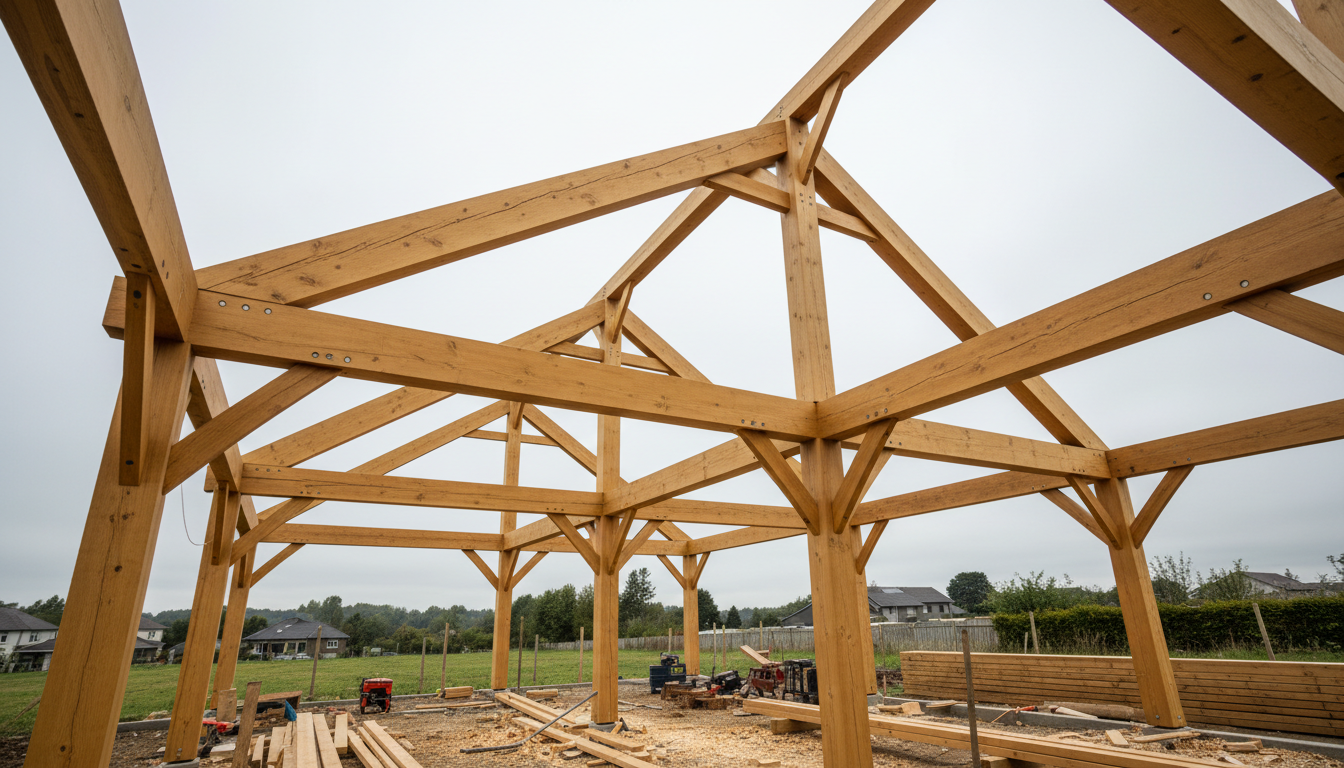
Timber frame construction is gaining popularity among architects and builders for its aesthetic appeal and sustainable benefits. As more people seek eco-friendly and innovative building solutions, this method is at the forefront. Here, we explore the top trends shaping the industry today.
Embracing Sustainability
Sustainability is not just a buzzword; it’s a crucial aspect of modern construction. Timber, being a renewable resource, plays a significant role in reducing carbon footprints. Builders are increasingly adopting sustainable practices, such as sourcing wood from certified forests and using non-toxic treatments.
Energy Efficiency
One of the remarkable benefits of timber frame construction is its energy efficiency. Timber has natural insulating properties that help in maintaining indoor temperatures, reducing the need for excessive heating or cooling. This trend is not only cost-effective but also environmentally friendly.
Innovative Design Flexibility
Timber frames offer unparalleled design flexibility, allowing architects to create unique and complex structures. This flexibility leads to creative designs that can be tailored to meet specific needs and preferences. Open floor plans and large windows are becoming increasingly popular in timber frame homes.
Hybrid Construction Methods
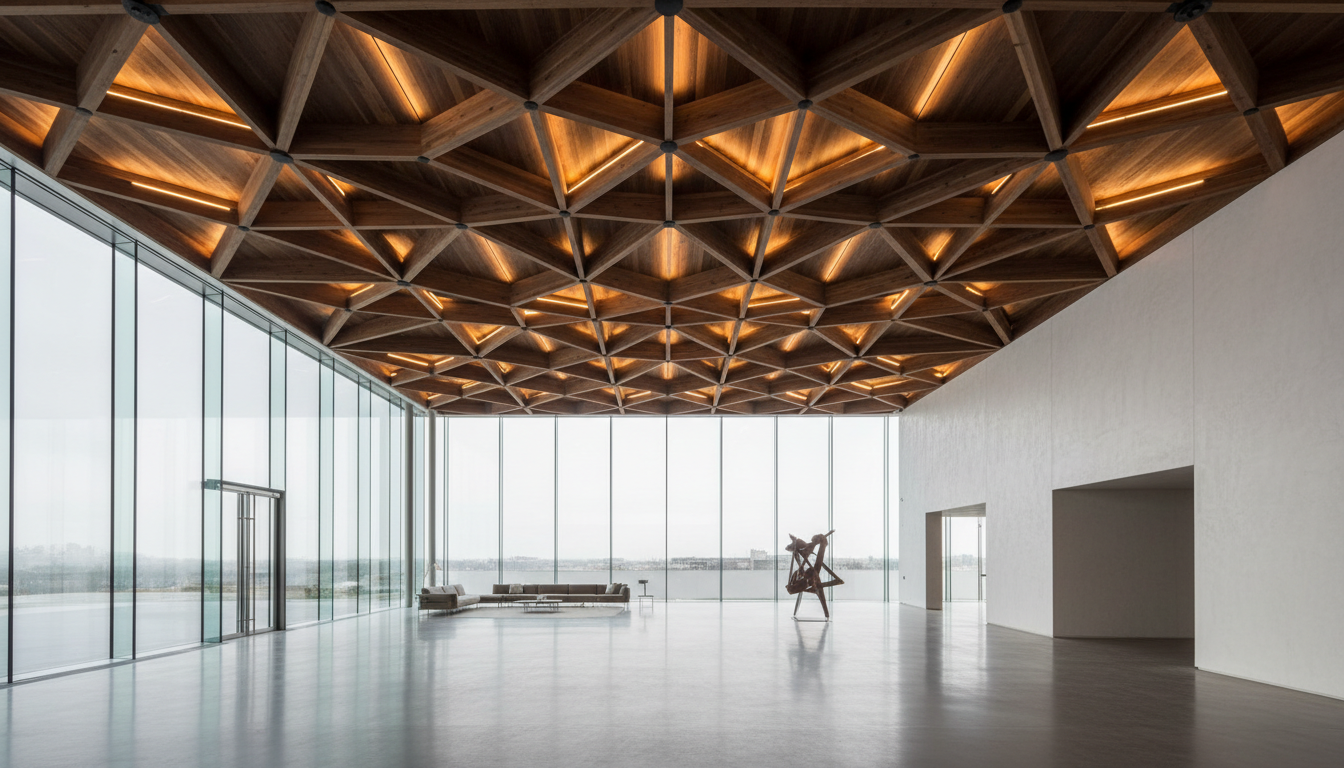
Combining timber with other materials like steel and glass is a growing trend. These hybrid methods bring together the best of both worlds, providing structural strength and aesthetic appeal. This trend offers builders more options to experiment with innovative designs.
Technological Advancements
The integration of technology in timber frame construction is revolutionizing the industry. From computer-aided design (CAD) software to precision cutting tools, technology ensures higher accuracy and efficiency in construction processes.
Prefabrication
Prefabrication is becoming a staple in timber frame construction. By assembling parts off-site, builders can reduce construction time and waste. This method also enhances quality control and minimizes on-site disruptions.
Conclusion
Timber frame construction is at the cutting edge of modern building trends. With its focus on sustainability, design flexibility, and technological advancements, it offers a compelling option for eco-conscious and innovative builders. As the industry evolves, these trends are set to define the future of construction.